Why Is My Hair Not Growing Past My Shoulders? 9 Real Reasons (and Fixes)
This post contains affiliate links. If you buy through them, we may earn a small commission at no extra cost to you.

You’ve been growing your hair for months. Maybe even years. But every time you check, it’s still sitting right on your shoulders.
It’s frustrating. And it can feel like your hair just stopped growing.
Here’s the good news: it almost certainly didn’t.
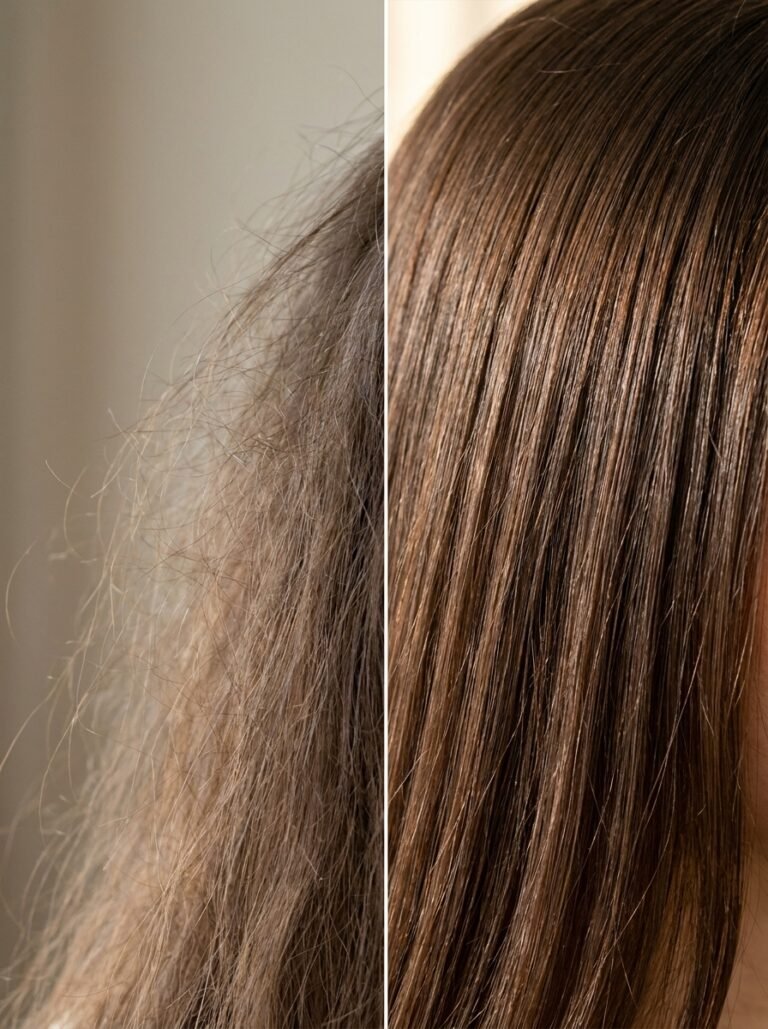
In most cases, your hair is still growing (about half an inch a month), but the ends are breaking off just as fast. Shoulder length is exactly where hair starts rubbing against your shoulders, collars, bags, and seat belts, so breakage often “cancels out” new growth right there. Less often, the cause is a short growth phase (genetics or age), shedding from stress or illness, nutrition, or a medical issue worth checking with a doctor.
Let’s figure out which one is happening to you.
First: How Hair Growth Actually Works
Understanding this makes everything else click.
- Hair grows about ½ inch (1.25 cm) per month, or roughly 6 inches a year.
- Each hair grows for a set period called the growth phase (anagen). For most people, it lasts 3 to 5 years, sometimes up to 7.
- When that phase ends, the hair rests and eventually falls out, and a new one starts growing.
So the maximum length your hair can reach depends on how long your growth phase lasts.
| Growth phase length | Rough maximum length |
|---|---|
| 2 years | ~12 inches (around shoulders/collarbone) |
| 3 years | ~18 inches (mid-back) |
| 5 years | ~30 inches (waist) |
| 7 years | ~42 inches (hip and beyond) |
Most people have a growth phase long enough to grow hair well past their shoulders. So if yours is stuck there, breakage is the most likely reason.
The Quick Test: Is It Breakage or Not Growing?
Try these simple checks:
- Look at your ends. Are they thin, see-through, frayed, or split? That’s breakage.
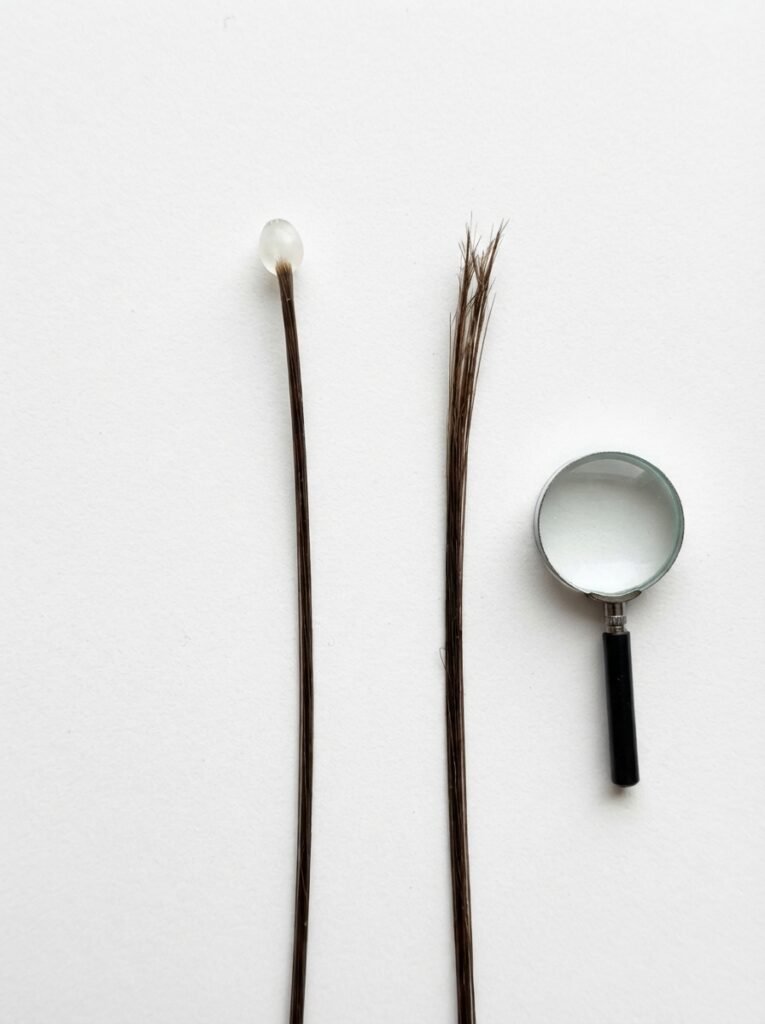
- Look at shed hairs. A hair that fell out has a small white bulb at one end. A hair that broke has no bulb and is often short.
- Measure your roots. Part your hair and check how much new growth you have since your last color or a month ago. If roots are growing, your hair is growing.
- Compare layers. If the top of your hair is longer than the bottom, the bottom is probably breaking from friction.
9 Reasons Your Hair Won’t Grow Past Your Shoulders
1. Friction at Shoulder Level

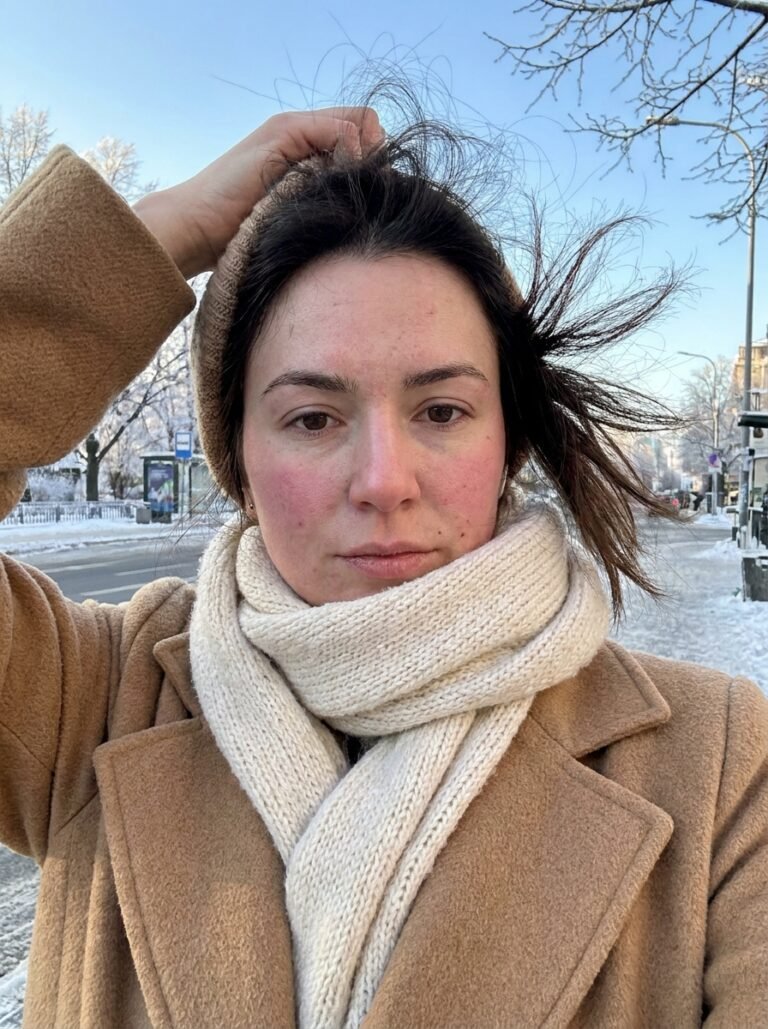
This is the big one. Once hair reaches your shoulders, it constantly rubs against shoulders, collars, scarves, coats, bag straps, and seat belts. Every rub wears down the ends a little.
Fix:
- Wear your hair up or braided on busy days.
- Avoid rough fabrics like wool around your neck. Choose smooth scarves.
- Switch bag straps to the other shoulder or use a backpack less.
- Sleep on a silk or satin pillowcase.
🔗 [AFFILIATE: Silk pillowcase]
🔗 [AFFILIATE: Satin scrunchies]
2. Split Ends That Travel Up
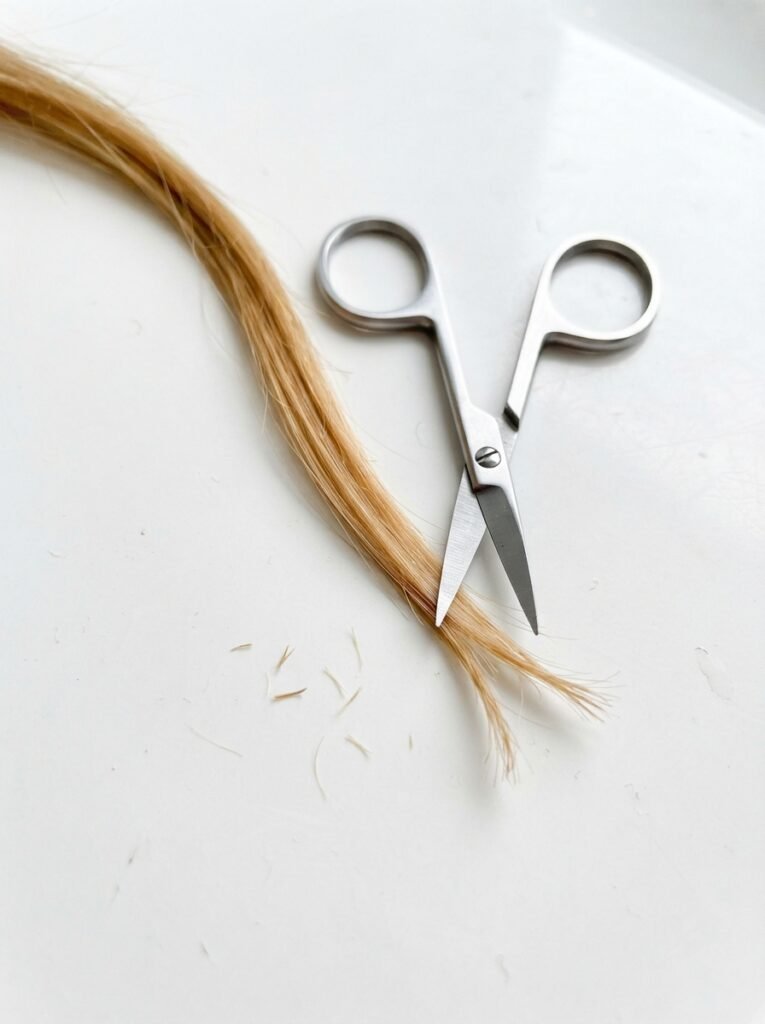
A split end doesn’t stay at the very tip. Left alone, it can split further up the hair shaft, and the hair eventually snaps higher than you’d like.
Fix:
- Get a small trim (¼ to ½ inch) every 8 to 12 weeks. It sounds backwards, but it prevents bigger losses.
- Try “search and destroy”: snip individual split ends with sharp hair scissors.
🔗 [AFFILIATE: Professional hair-cutting scissors]
3. Too Much Heat
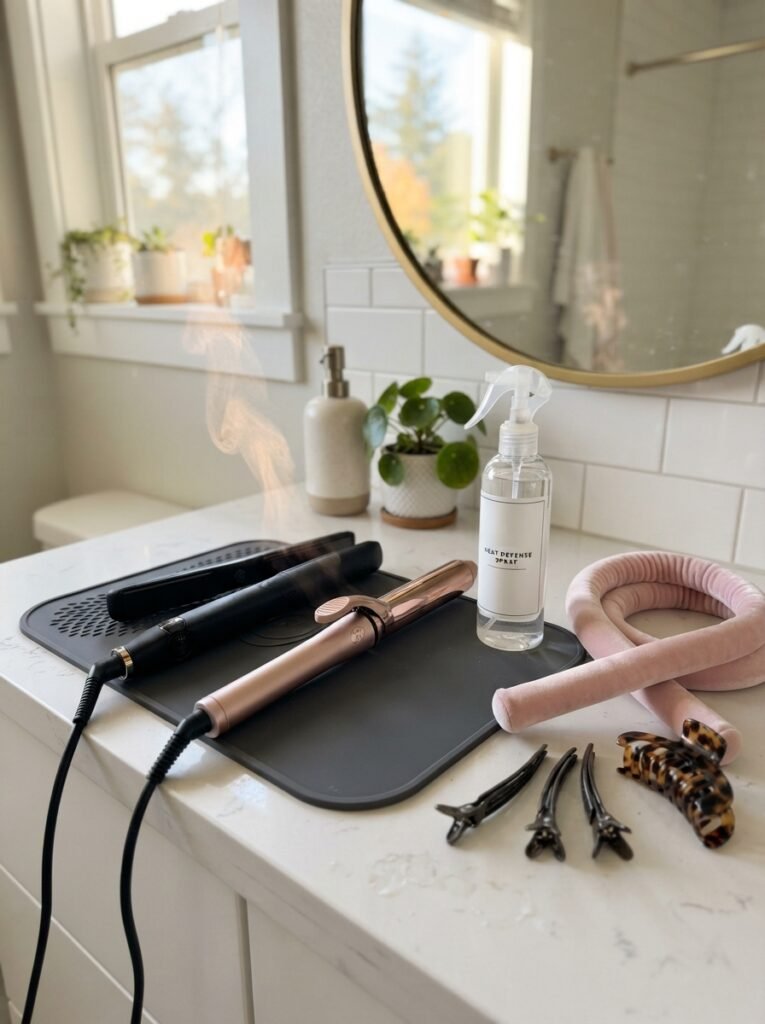
Flat irons, curling irons, and hot blow-drying weaken the hair, and the ends (the oldest part) suffer the most.
Fix:
- Use a heat protectant every time.
- Lower the temperature to around 300–350°F (150–175°C) for fine or damaged hair.
- Try heatless styles a few days a week.
🔗 [AFFILIATE: Heat protectant spray]
🔗 [AFFILIATE: Heatless curling rod]
4. Bleach and Chemical Damage

Bleaching, perms, relaxers, and frequent color all weaken hair. Damaged hair breaks easily, especially at the ends.
Fix:
- Space out chemical services.
- Use a bond-building treatment.
- Avoid overlapping bleach on already-lightened hair.
🔗 [AFFILIATE: Bond-repair treatment]
5. Rough Brushing and Detangling
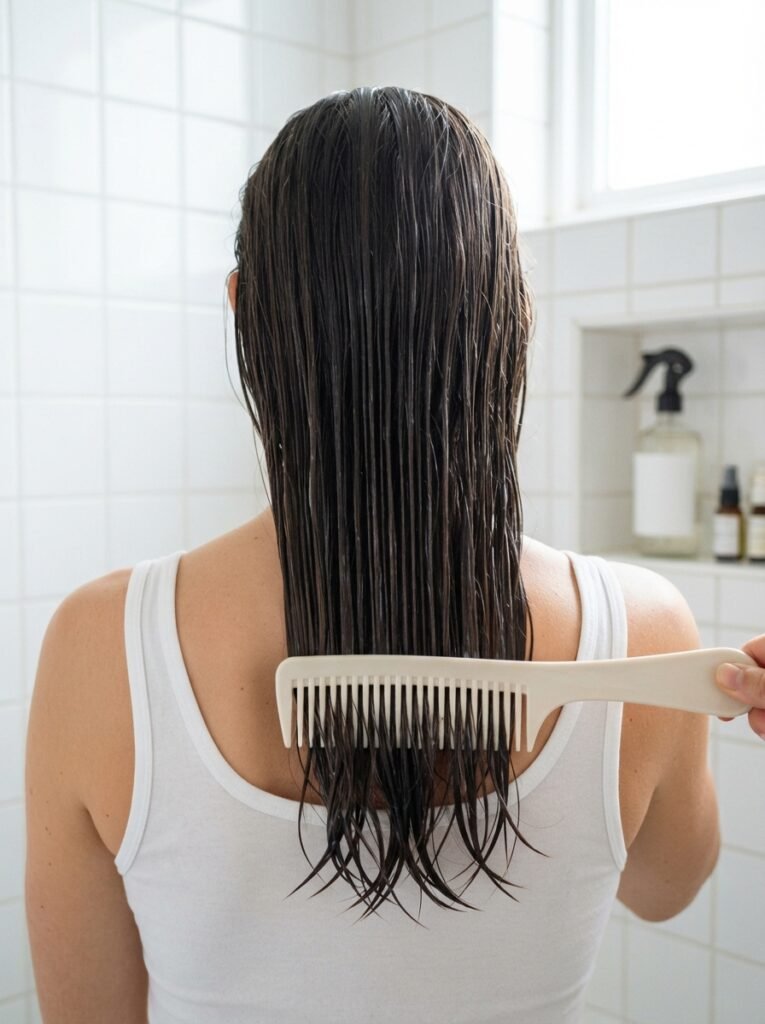
Ripping a brush through knots, especially when hair is wet and fragile, breaks a lot of hair.
Fix:
- Detangle from the ends up, working slowly toward the roots.
- Use a wide-tooth comb or a detangling brush.
- Apply conditioner or a detangling spray first.
🔗 [AFFILIATE: Wide-tooth comb]
🔗 [AFFILIATE: Detangling brush]
🔗 [AFFILIATE: Detangling spray]
6. Dryness
Dry hair is brittle hair. The ends are the oldest and driest part, so they snap first.
Fix:
- Use conditioner every wash.
- Add a deep conditioning mask once a week.
- Seal ends with a few drops of hair oil.
🔗 [AFFILIATE: Deep conditioning hair mask]
🔗 [AFFILIATE: Lightweight hair oil]
7. Tight Hairstyles

Tight ponytails, buns, and braids pull on the hair, causing breakage at the hairline and where the elastic sits. Over time, constant pulling can even damage follicles (traction alopecia).
Fix:
- Keep styles loose.
- Use soft scrunchies or spiral ties instead of rubber bands.
- Change where you place your ponytail.
🔗 [AFFILIATE: Spiral hair ties]
8. Your Natural Growth Phase Is Shorter

Some people naturally have a shorter growth phase, so their hair falls out before it gets very long. This is mostly genetic, and the growth phase also tends to get shorter with age.
Signs: your hair has never grown much longer than a certain length, even when the ends looked healthy.
Fix: You can’t change your genetics, but you can keep every inch you grow by preventing breakage. Many people find they had more length potential than they thought once breakage stops.
9. Shedding, Nutrition, or Health Issues
Sometimes hair truly isn’t keeping up. Common causes include:
- Stress, illness, surgery, or childbirth. These can push lots of hairs into the shedding phase at once. Shedding usually shows up around 3 months later (called telogen effluvium) and often improves on its own.
- Restrictive diets or low protein, iron, or other nutrients.
- Thyroid problems and hormone changes.
- Certain medications.
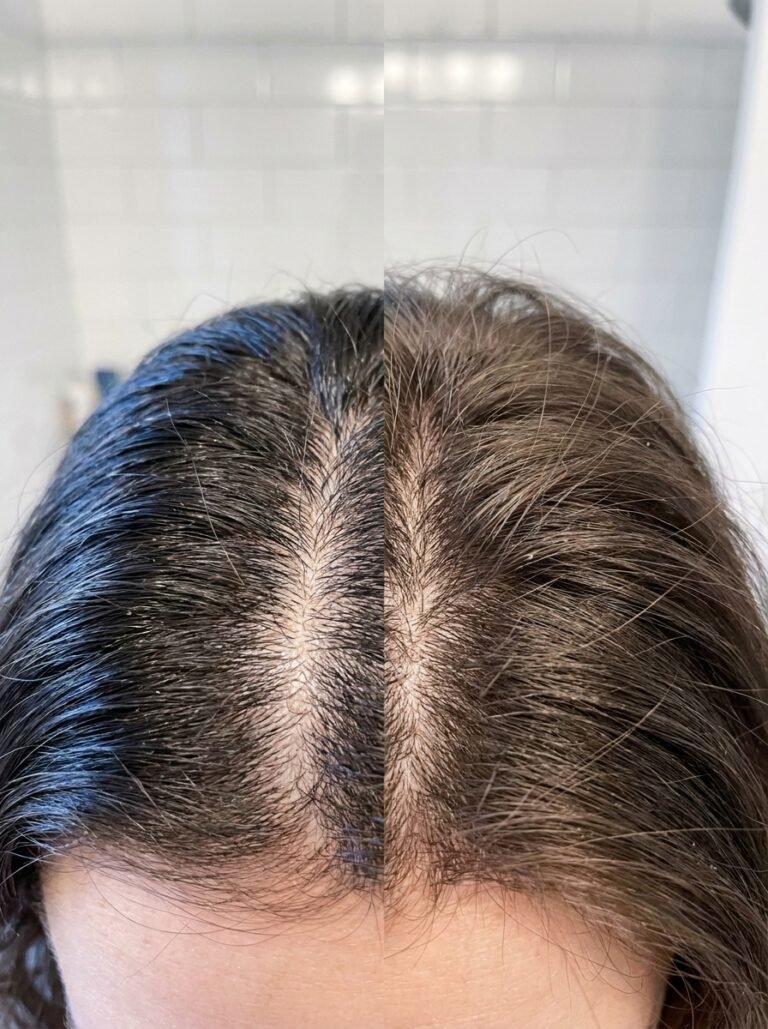
Fix: If you notice sudden shedding, thinning patches, or a widening part, see a doctor or dermatologist. Blood tests can check things like iron and thyroid levels. Don’t start supplements blindly; too much of some vitamins can actually cause hair loss.
Quick Diagnosis Table
| What you notice | Likely cause | Start here |
|---|---|---|
| Thin, see-through, split ends | Breakage | Trim + reduce friction and heat |
| Hair shorter at the back/bottom | Friction (shoulders, collars) | Wear hair up, silk pillowcase |
| Ends feel rough and dry | Dryness or heat damage | Mask, oil, heat protectant |
| Lots of short broken bits | Rough brushing or chemicals | Gentle detangling, bond repair |
| Never grown past a certain length | Shorter growth phase | Protect length, be patient |
| Sudden heavy shedding | Stress, illness, health issue | See a doctor or dermatologist |
A Simple Length-Retention Routine
Every wash:
- Shampoo the scalp only and let suds rinse through the lengths.
- Condition mid-lengths to ends.
- Detangle gently with conditioner in.
Every week:
- One deep conditioning mask.
- Check ends for splits.
Every day:
- Protect ends from friction (wear hair up when needed).
- Use a heat protectant before any hot tools.
- Sleep on silk or satin, or in a loose braid.
Every 8–12 weeks:
- Small trim (¼–½ inch).
Common Myths
- “Trimming makes hair grow faster.” No. Trims don’t affect your roots. They just stop split ends from causing more breakage.
- “Rice water or a special oil will make hair grow inches.” There’s no strong evidence for big growth claims.
- “Brushing 100 strokes a day helps.” It mostly adds friction and breakage.
- “Hair growth supplements work for everyone.” They usually only help if you actually have a deficiency.
FAQ
Why does my hair stop at shoulder length? Most often, the ends break from friction against your shoulders and clothes, so length doesn’t build up. It can also be a short growth phase or shedding.
How long does it take to grow hair past my shoulders? At about half an inch per month, growing from shoulders to mid-back (around 6 inches) takes roughly a year, as long as the ends aren’t breaking.
Should I stop trimming to grow my hair? No. Skipping trims lets split ends travel up and break higher. Small, regular trims help you keep more length.
Can stress stop hair growth? Stress can trigger extra shedding a few months later. It usually improves once the stress settles, but see a doctor if it continues.
When should I see a dermatologist? If you have sudden shedding, bald patches, a widening part, or scalp pain or itching that won’t go away.