How to Stop Static Hair in Winter: Fast Fixes + Prevention
This post contains affiliate links. If you buy through them, we may earn a small commission at no extra cost to you.
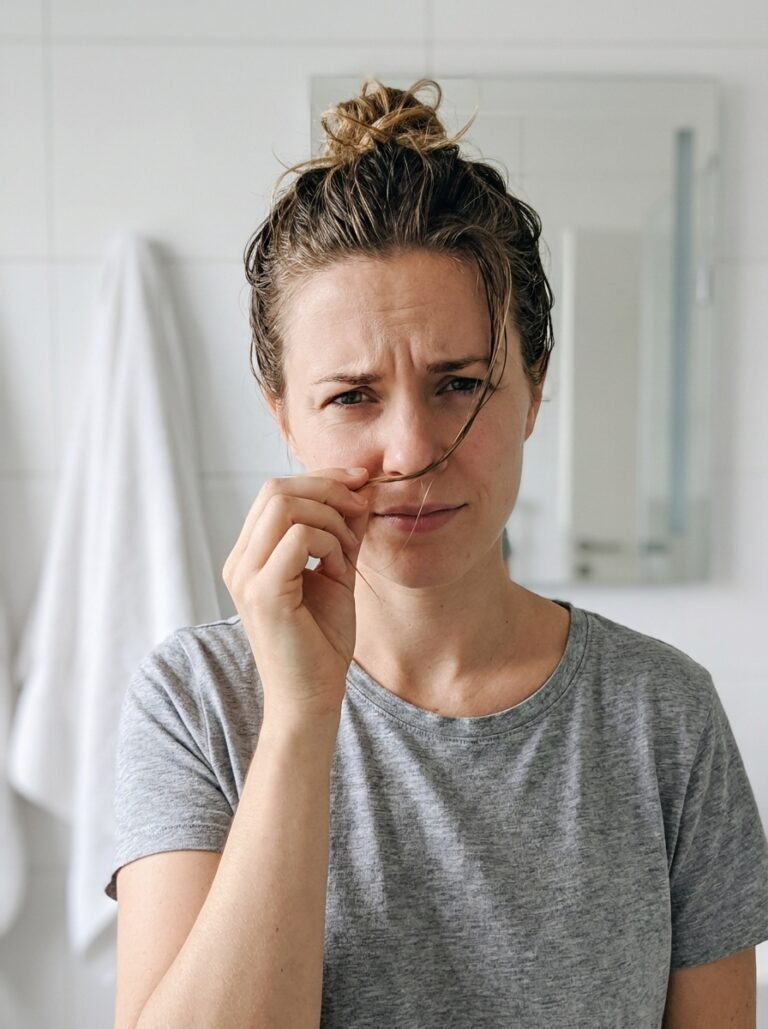
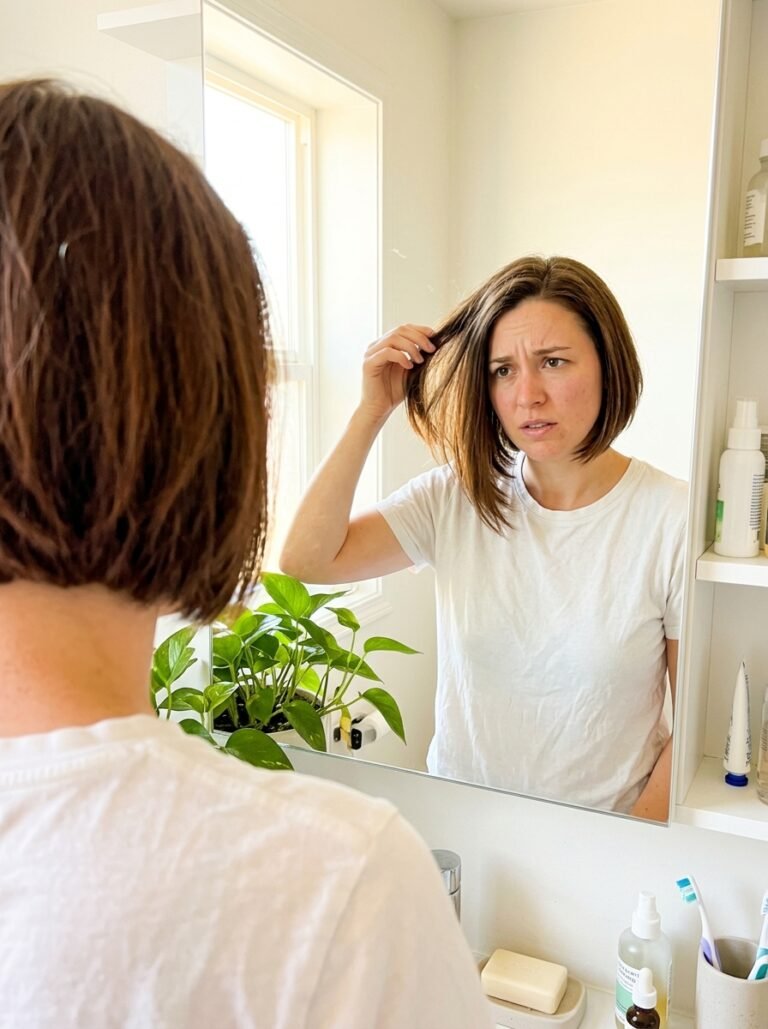
You pull off your beanie, and your hair floats up like it’s trying to escape. It clings to your face, your scarf, and your coat. Then you touch a door handle and get zapped.
Welcome to winter hair.
Static happens when your hair picks up an electric charge from rubbing against hats, scarves, brushes, or fabric. In winter, the air is dry, so that charge has nowhere to go. To stop static fast, add a little moisture or weight to your hair: a touch of leave-in conditioner, hand lotion, or water. To prevent it, keep your hair moisturized, swap plastic brushes and synthetic fabrics, and add moisture back into the air.
Below are 8 fixes that work in seconds, 8 habits that stop static before it starts, and a quick guide to the fabrics and tools that make it worse.
Why Static Hair Gets So Bad in Winter
Here’s the simple version.
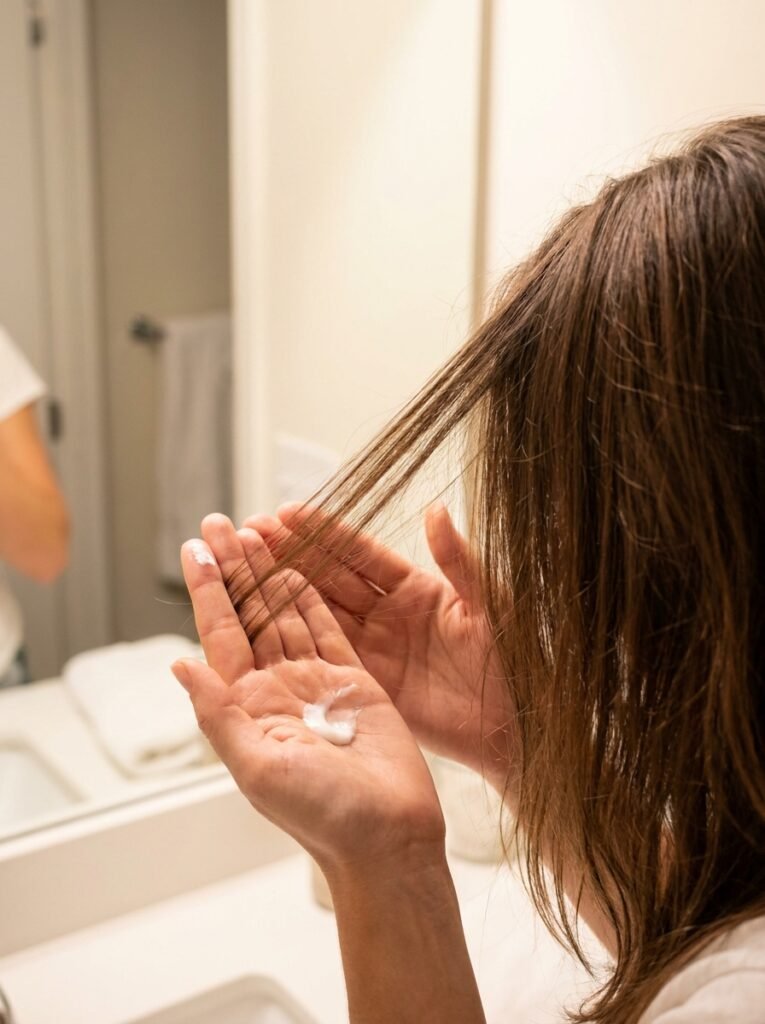
When two materials rub together, like your hair and a wool hat, tiny charged particles called electrons move from one to the other. Your hair ends up with the same charge on every strand. Things with the same charge push each other away. So each hair tries to move away from the others, and your hair stands up.
In humid weather, water in the air helps carry that charge away. In winter, cold outdoor air and indoor heating make the air very dry. The charge builds up instead of fading.
Dry hair makes it worse. Hair that lacks moisture holds a charge more easily than hair that’s well conditioned.
So winter static comes down to three things:
- Friction from hats, scarves, sweaters, brushes, and pillowcases
- Dry air from cold weather and indoor heating
- Dry hair that holds onto the charge
Fix even one of these, and you’ll see less static.
8 Fast Fixes for Static Hair (When It’s Happening Right Now)
1. Smooth on a tiny bit of leave-in or hair cream
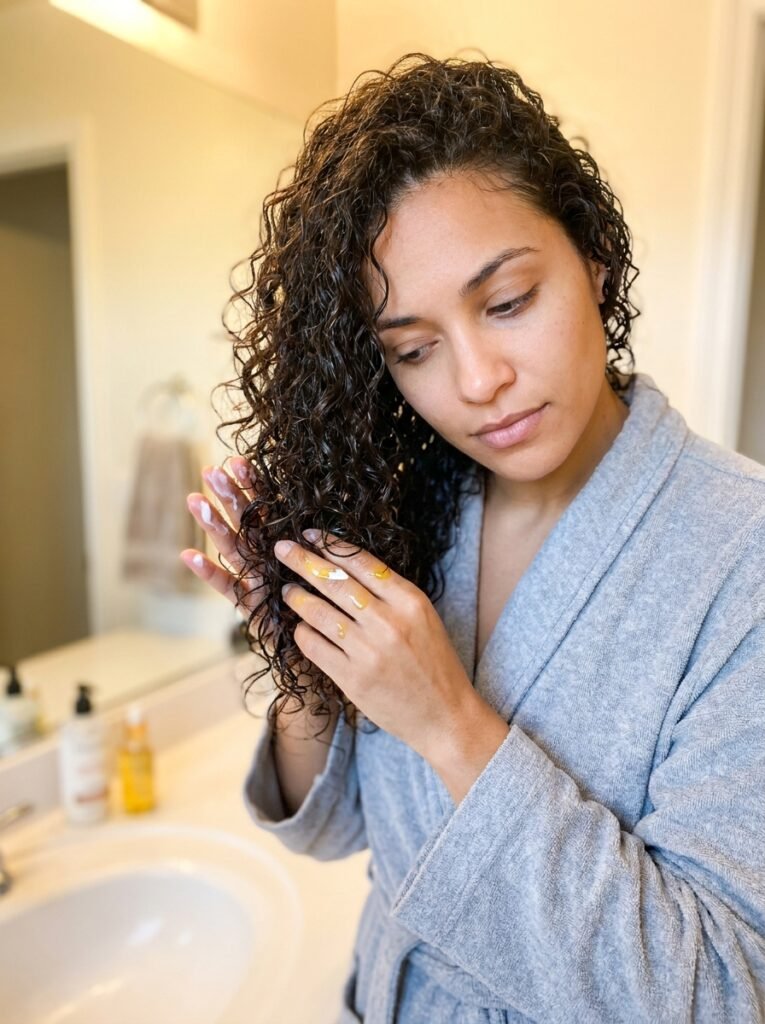
Rub a pea-sized amount between your palms and lightly smooth it over the frizzy, floating parts. The moisture and slight weight calm static almost instantly. Keep it away from your roots if your hair gets oily.

- Leave-in conditioner for all hair types
- Hydrates, softens and balances moisture
- Smooths frizz and reduces static
2. Use hand lotion in a pinch
No hair product with you? A small dab of unscented hand lotion works the same way. Rub it in well first, so your palms feel almost dry, then smooth your hair down.
3. Mist with water
A little water helps carry the charge away. Lightly mist your palms or a brush and smooth it over your hair. Don’t soak it, especially if you’re heading outside in the cold.
4. Spray an anti-static or anti-frizz spray
These sprays are made for this exact problem. They coat the hair with a light layer that reduces friction and charge. Keep one in your bag or desk drawer during the cold months.

- High Amplify Proforma Hairspray is a firm hold
- This professional salon hairspray is ultra fast-drying and adds
- Uses protein for an added boost to provide an instant lift and up
- Includes the High Amplify Volumizing Shampoo
5. Spray hairspray on your brush, not your head
Lightly mist a brush or comb with hairspray and run it over the top layer of your hair. You get a thin, even coat that holds strands down without a stiff look.
6. Switch to a metal or wooden comb
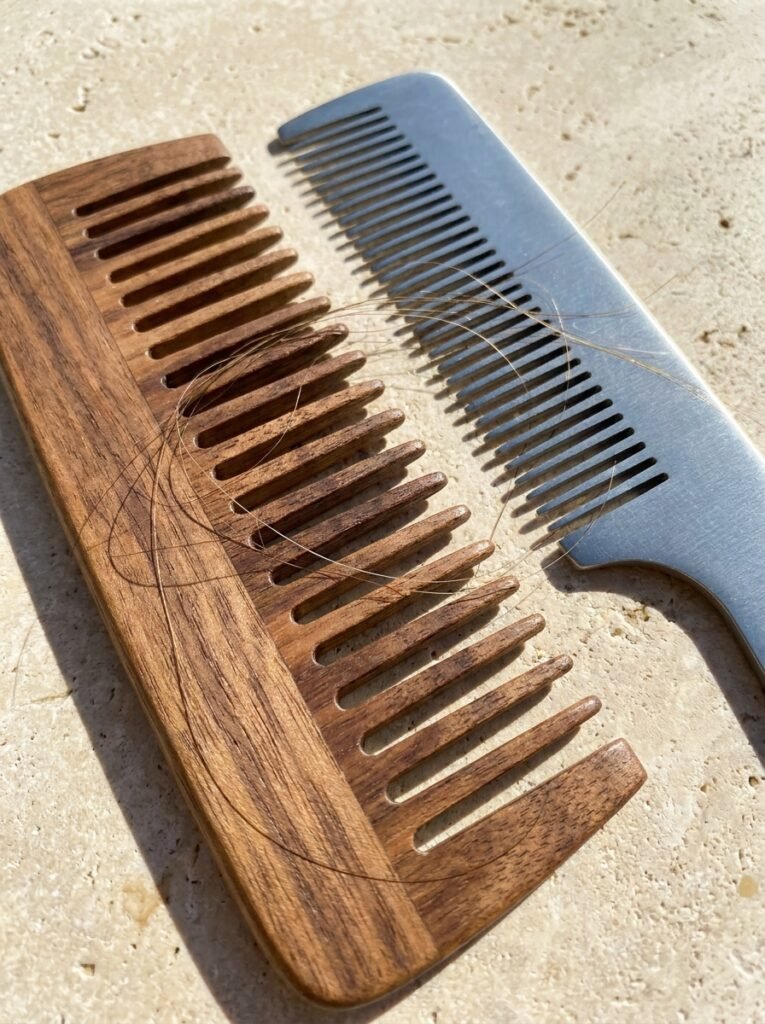
Plastic combs and brushes add charge to your hair. Metal conducts electricity, so it lets the charge escape instead of building it up. Wooden combs and carbon-fiber combs also cause less static than cheap plastic ones.

- Made of High Quality 100% Natural Green Sandalwood
- Crafted with refined traditional handicrafts
- Helps to relieve tension and stimulate scalp
- Unlike Plastic Hair Comb, Green Sandalwood Hair Comb will Not Snag
7. Touch metal before you take off your hat
This one sounds odd, but it helps. Touch a metal object, like a door handle or key, to discharge yourself before you pull off your hat. You’ll build up less charge, and you’ll skip the zap.
8. Use a dryer sheet only as an emergency fix
You’ll see this tip everywhere: wipe a dryer sheet over your hair. It can calm static in a pinch because dryer sheets are coated with anti-static ingredients. But they’re made for laundry, not hair or skin, and many contain strong fragrance. Use it on your hat or scarf instead, or save it for real emergencies.
How to Prevent Static Hair All Winter
Fast fixes help in the moment. These habits stop static from starting.
1. Condition every time you wash
Conditioner smooths the outer layer of your hair and reduces friction. Use it every wash in winter, even if you sometimes skip it in summer. Focus on the mid-lengths and ends.
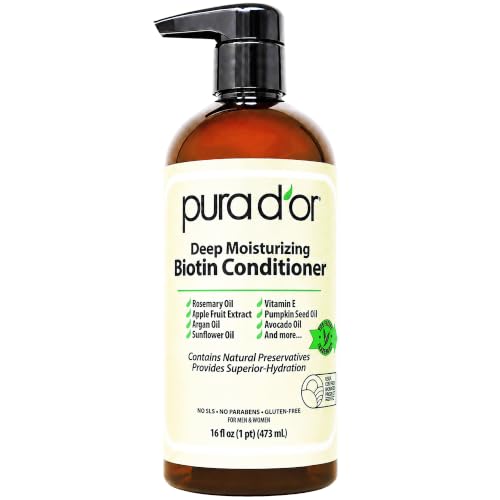
- The most common and annoying scalp issue is a dry scalp
- Combing and styling your hair just became easy
- Experience the silky, soft bounce of from your youth
- Argan Oil acts as a scalp guard against damage
2. Add a weekly hair mask
Once a week, swap your regular conditioner for a richer mask. Leave it on for 5–10 minutes. Better-moisturized hair holds less charge.

- Suitable for all hair types dry/damaged/frizzy
- Contains collagen, coconut oil and argan oil
- Rinse out hair mask used after shampoo
- Use by hair type for consistent results: After shampoo towel dry
3. Seal your ends with a light oil
After styling, smooth one or two drops of hair oil over your ends. It adds a protective layer and keeps flyaways down.

- Our USDA Organic Moroccan argan oil that is cold-pressed
- Rich in Vitamin E and essential fatty acids
- Deep hydration for dry hair, FRIZZ CONTROL & SHINE: Lightweight argan
- Multi-use beauty oil for scalp, NAILS & CUTICLES: Versatile argan oil
4. Run a humidifier
This attacks the root of the problem: dry air. A humidifier in your bedroom while you sleep adds moisture back into the air and helps your hair and skin. Clean it often, as the manufacturer suggests, so it doesn’t grow mold or bacteria.

- Enjoy quiet sleep without congestion
- Powered by DREO's Dual-intake and 4-inch mist outlet design
- Thanks to its high-frequency atomization process
- This air humidifier allows you to fill up without having to flip
5. Choose hats and scarves with smooth linings
Wool and synthetic fabrics like polyester and acrylic rub against hair and create lots of static. Look for beanies with a satin or silk lining, or wear a thin satin scarf under your hat.

- The satin lined beanie offers an extra layer of comfort for your hair
- The satin lined beanie features a soft and smooth satin lining
- The satin lined beanie is made of soft and warm material
- The satin lined beanie comes in variety distinct colors to fit your
6. Sleep on silk or satin
Cotton pillowcases grab at your hair all night. Silk or satin lets hair glide, so there’s less friction and less frizz in the morning.
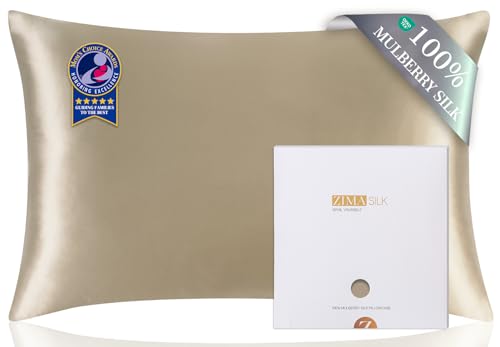
- 100% 19 Momme Mulberry Silk Pillowcase – Crafted with premium 6A-grade
- Gentle on Skin & Hair – Naturally Hypoallergenic
- Enhance Your Beauty Sleep – Infused with natural amino acids
- Vibrant & Fade-Resistant Colors
7. Go easy on heat
Hot water, high blow-dryer heat, and flat irons all dry out your hair. Wash with lukewarm water, use medium heat, and always use a heat protectant. An ionic hair dryer may help some people get a smoother finish, though results vary.

- Helps shield hair from pollution

- Experience the magic of ionic hair care
- No matter your hair type or texture
- Featuring RAPID DRYING SPEEDS, you'll achieve impeccably dry hair
- Lightweight design that FITS PERFECTLY IN YOUR HAND
8. Don’t over-wash
Shampooing every day in winter can leave hair drier. If your scalp allows it, try stretching washes by a day. If your scalp gets oily fast, keep washing as often as you need, but shampoo only your scalp and condition your ends.
🔁 [INTERNAL LINK: Why Is My Hair Greasy After One Day? 9 Real Causes]
Static Makers vs Static Fixers

| Makes static worse | Helps reduce static |
|---|---|
| Plastic brushes and combs | Metal, wooden, or carbon combs |
| Wool, acrylic, and polyester hats | Satin- or silk-lined hats |
| Cotton pillowcases | Silk or satin pillowcases |
| Hot showers and high heat | Lukewarm water, medium heat |
| Skipping conditioner | Conditioner every wash + weekly mask |
| Dry indoor heating | A humidifier |
| Brushing dry hair a lot | Brushing gently, with a little product |
Static Tips by Hair Type
Fine or straight hair: You’ll feel static first because fine strands are light. Use sprays and lightweight leave-ins instead of heavy creams, so your hair doesn’t go flat.
Thick or wavy hair: A leave-in cream plus a drop of oil on the ends works well. Detangle with a wide-tooth comb while hair is damp.
Curly or coily hair: Curls are naturally drier, so moisture is everything. Layer a leave-in and a cream or oil on damp hair, and avoid brushing curls when dry.
Gray or color-treated hair: These are often drier and more porous. A weekly mask and a heat protectant go a long way.
FAQ
Why is my hair suddenly so staticky? Usually it’s a mix of dry winter air and dry hair. A new hat, scarf, sweater, or brush can also make it worse overnight.
Does static damage your hair? Static itself doesn’t damage hair. But the dryness and friction behind it can lead to frizz and breakage over time, so it’s worth fixing.
Is it okay to use a dryer sheet on hair? It works in an emergency, but dryer sheets aren’t made for hair or skin, and they often have strong scents. Anti-static hair sprays or a little leave-in are better choices.
Do ionic hair dryers stop static? Many people find ionic dryers leave hair smoother. They’re not a magic fix, but paired with conditioner and a leave-in, they can help.
Why does my hair get static after brushing? Brushing rubs your hair, especially with plastic brushes, and builds up charge. Switch to a wooden or metal comb, brush less, and add a light product first.
The Bottom Line
Winter static comes from friction, dry air, and dry hair. For a fast fix, add a little moisture: leave-in, lotion, or a light mist of water. To stop it for good, condition every wash, seal your ends, use a humidifier, and swap plastic brushes and scratchy hats for smoother options.
A few small changes, and your hair will stay where you put it, even after you take off your hat.