
Itchy Scalp in Winter: Dry Scalp vs Dandruff and What Helps
This post contains affiliate links. If you buy through them, we may earn a small commission at no extra cost to you.
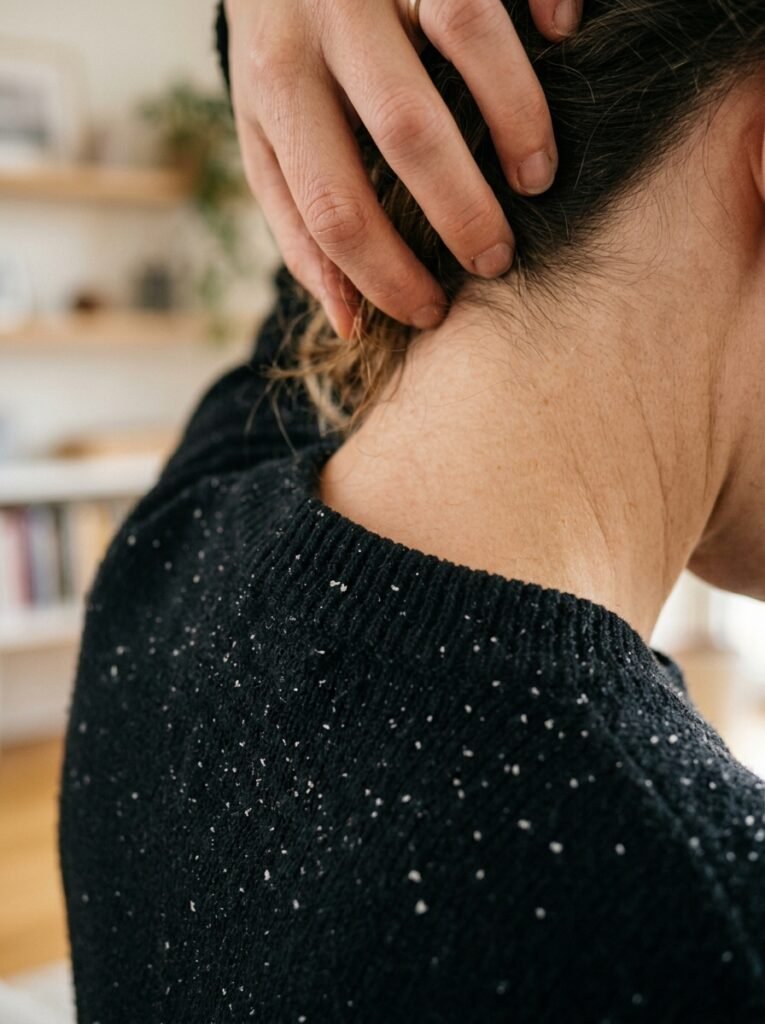
It starts with a little itch. Then you notice white flakes on your black sweater. By January, you’re scratching your head in every meeting.
Is it dry scalp? Is it dandruff? And why does it always get worse in winter?
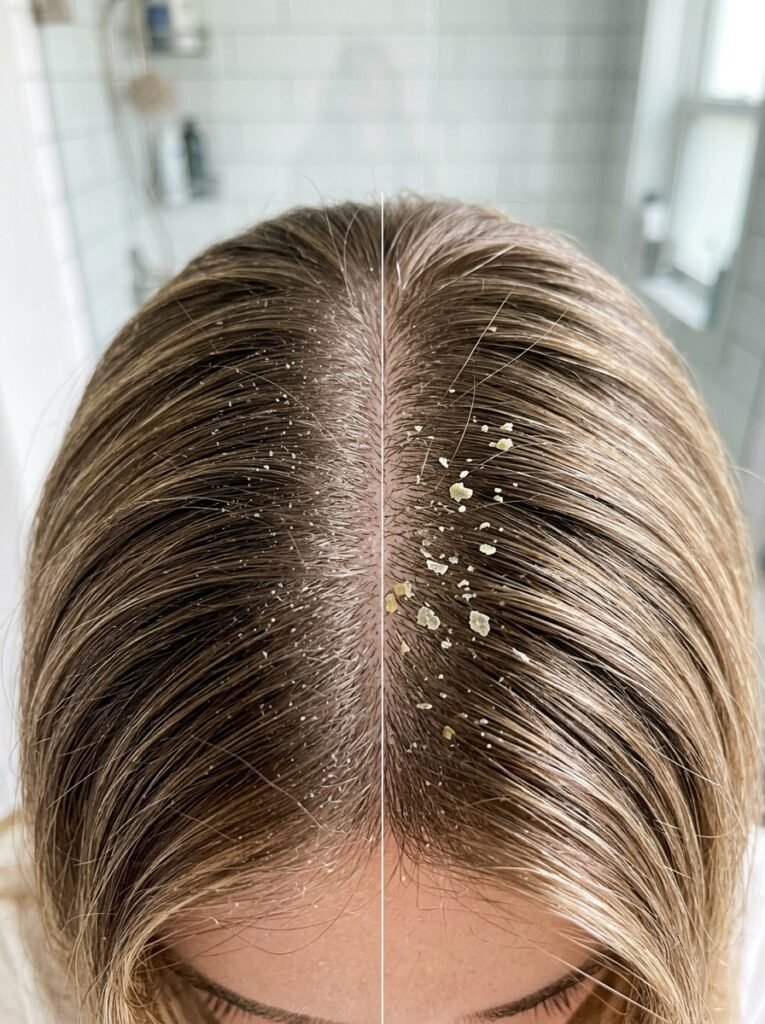
Dry scalp and dandruff can look alike, but they’re different problems. Dry scalp has small, white, powdery flakes and a tight, dry feeling, often with dry skin elsewhere. Dandruff has larger, yellowish or white flakes that look a bit oily, and your scalp may feel greasy. Dry scalp needs gentle cleansing and moisture. Dandruff needs a medicated dandruff shampoo. Winter makes both worse because of dry air, hot showers, and less sunlight.
Below is a 30-second checklist to tell them apart, what causes each one, and step-by-step fixes for both.
Dry Scalp vs Dandruff: How to Tell in 30 Seconds
| Dry scalp | Dandruff | |
|---|---|---|
| Flakes | Small, white, powdery, fall off easily | Larger, white or yellowish, can look oily |
| How your scalp feels | Tight, dry, sometimes rough | Oily or greasy, may feel coated |
| Itching | Yes | Yes, often more |
| Other dry skin? | Often: dry hands, legs, lips | Not always |
| Redness | Usually little | Can have redness or a mild rash |
| Where else it shows | Mainly the scalp | Can show on eyebrows, sides of the nose, behind ears |
| Gets better with | Moisture, gentler routine | Medicated dandruff shampoo |
Still not sure? Try this: for two weeks, switch to a gentle, moisturizing routine. If the flakes improve, it was likely dry scalp. If nothing changes, try a dandruff shampoo for two to four weeks.
What Causes Dry Scalp?
Dry scalp happens when the skin on your scalp loses too much moisture. It’s the same thing that happens to your hands and lips in winter.
Common causes:
- Cold, dry air outside and heating indoors
- Hot showers, which strip natural oils
- Harsh shampoos with strong cleansers
- Washing very often with a stripping shampoo
- Not drinking enough water or general dry skin
What Causes Dandruff?
Dandruff isn’t caused by being dirty. It’s linked to a few things working together:
- Oil on the scalp. Dandruff tends to happen on oilier scalps.
- A yeast called Malassezia. It lives on most people’s skin. In some people, the scalp reacts to it, which speeds up skin cell turnover and causes flakes.
- Your own skin’s sensitivity. Some people are simply more prone.
When dandruff comes with redness, greasy scales, and patches on the face too, it may be seborrheic dermatitis, a stronger form of the same problem.
Why winter makes dandruff worse
Many people notice dandruff flares in colder months. Dry air irritates the scalp, people often wash less often in winter, and hats trap heat and sweat. Stress during busy seasons can play a part too.
How to Fix Dry Scalp
1. Turn down the water temperature
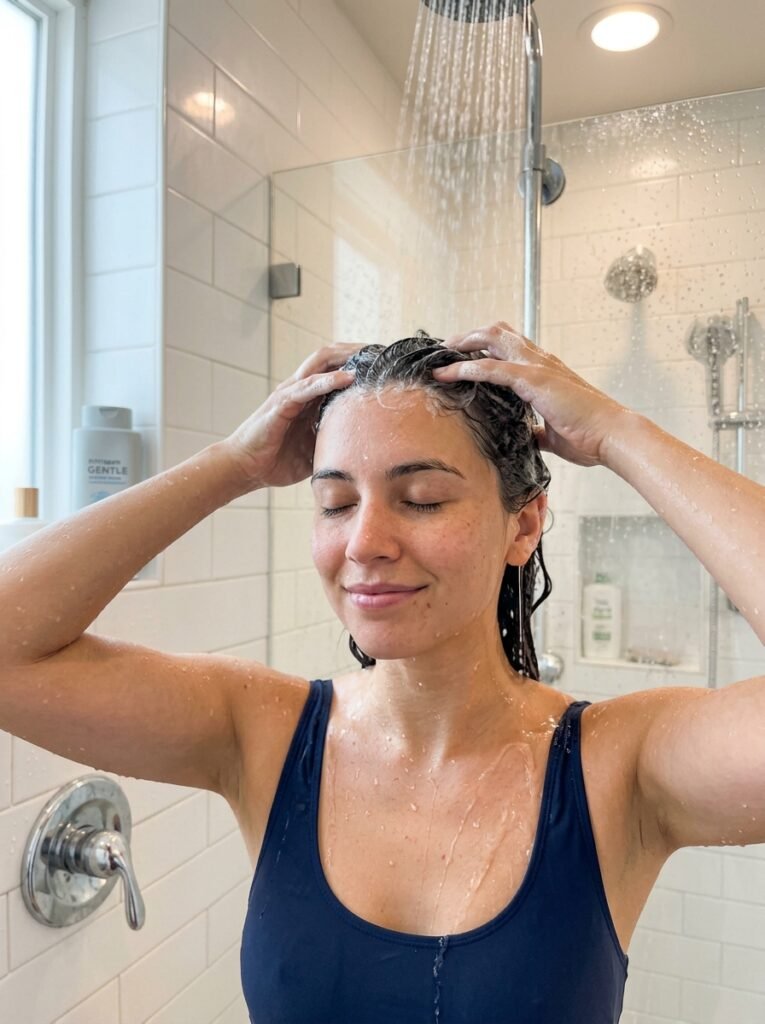
Hot water feels amazing on a cold day, but it strips oil from your scalp. Use lukewarm water and keep showers short.
2. Switch to a gentle shampoo
Look for a sulfate-free or “gentle” shampoo made for dry or sensitive scalps. Avoid shampoos with strong fragrance if your scalp is itchy.

- This hydrating, ph balancing shampoo creates the perfect foundation
- Our proprietary complex restores hair health
- Rich lather cleanses without stripping
- Made without silicones, parabens, sulfates, SLS, triclosan, or gluten
3. Don’t over-wash
If your scalp is dry, try washing every two or three days instead of daily. When you do wash, massage gently with your fingertips, not your nails.
4. Add a scalp moisturizer or serum
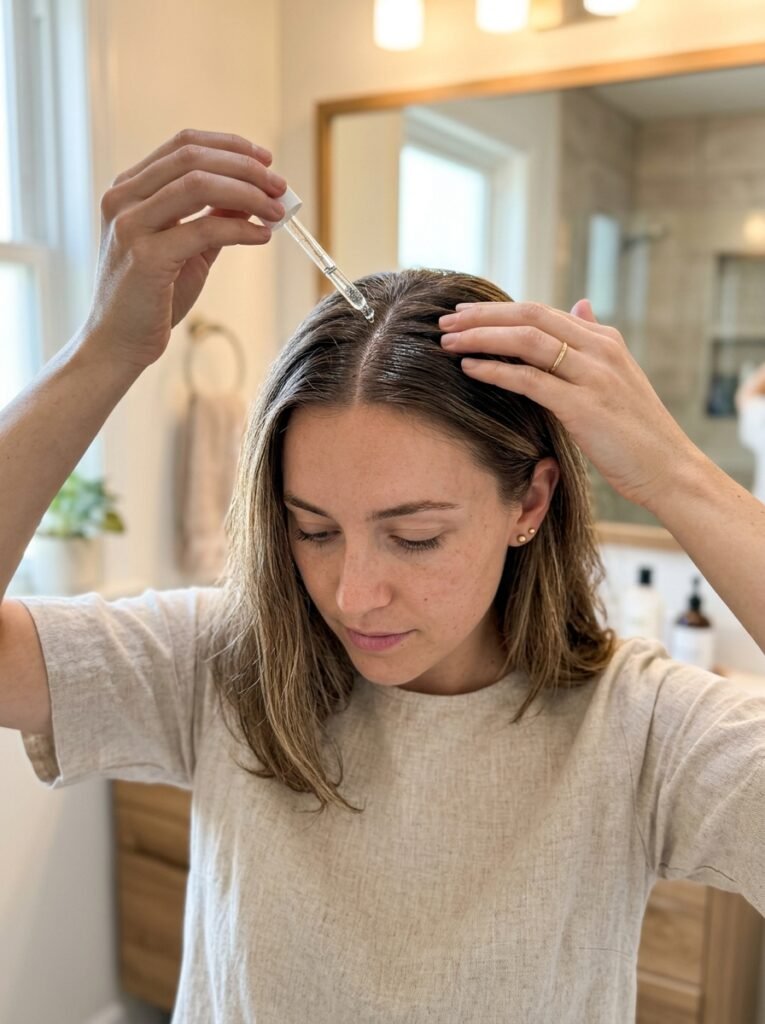
A lightweight scalp serum or leave-on scalp treatment with ingredients like glycerin, hyaluronic acid, or squalane can help. Apply a few drops to your part lines and massage in.

- Designed to help reduce hair shedding and support fuller-looking
- A fast-absorbing, non-oily formula that layers into your routine
- Formulated with turmeric stem cells
- Pairs seamlessly with the full GRO lineup for a complete
5. Try a pre-wash oil treatment (if it suits you)
Some people with dry scalp like massaging a light oil, such as jojoba, into the scalp 20–30 minutes before washing. It can make the scalp feel softer. Skip this if you have dandruff, because oils can feed the yeast linked to dandruff.

- Certified Organic Jojoba Oil – Cliganic organic jojoba oil is proudly
- 100% Pure, Single Ingredient Oil – Cliganic organic jojoba oil is
- Multipurpose Oil, Best Benefits – for Face, Hair & Body
- Non-GMO Certified, Vegan & Cruelty-Free – Free from additives
6. Run a humidifier
A humidifier in your bedroom adds moisture back to dry indoor air. It helps your scalp, skin, and lips. Clean it as directed.

- Designed without extra filters, the 1.2-gallon tank provides up to 30
- Air humidifiers for bedroom to diffuse moisture into the air
- When you or your kid has a cold, it can be difficult to sleep
- Vicks Vaporizer-Humidifiers & Steam Inhalers provide moisture
How to Fix Dandruff
1. Use a medicated dandruff shampoo
This is the main fix. Look for one of these active ingredients:
- Zinc pyrithione: a good everyday starting point
- Selenium sulfide: strong, good for stubborn flakes
- Ketoconazole: antifungal, targets the yeast linked to dandruff
- Salicylic acid: helps loosen and lift scales
- Coal tar: slows skin cell turnover (can stain light or color-treated hair)
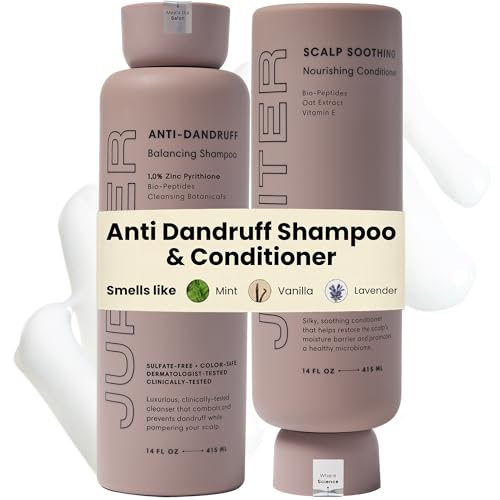
- This Jupiter two-step system pairs our Balancing Shampoo
- Our shampoo gently purifies the scalp and removes buildup for a clean
- Our vegan, cruelty-free, and color-safe formulas feature squalane
- Enjoy a calming, naturally derived fragrance with notes of vanilla

- Nizoral shampoo is different because it doesn’t just address
- The only over the counter dandruff shampoo with Ketoconazole 1%
- The active ingredient in Nizoral is 10X more effective at killing
- Gentle enough to use on color treated
2. Use it the right way
How you use it matters as much as which one you choose.
- Wet your hair and apply the shampoo to your scalp.
- Massage gently.
- Leave it on for about 5 minutes (or as the label says) so the active ingredient can work.
- Rinse well. Follow with conditioner on your ends.
3. Be consistent, then adjust
Use it two or three times a week at first, or as the label directs. Once flakes calm down, many people use it once a week to keep dandruff away. If one shampoo stops working, try one with a different active ingredient.
If you have textured or coily hair, washing with a dandruff shampoo once a week is often enough. Follow with a moisturizing conditioner so your hair doesn’t dry out.
4. Go easy on heavy oils and products
Heavy oils and thick styling products on the scalp can make dandruff worse. Keep oils on your lengths and ends instead.
5. Wash a little more often
If your scalp gets oily and flaky, washing more often can help remove oil and flakes before they build up.
What If You Have Both?
It’s possible to have a dry, tight scalp and dandruff, especially in winter. Try this balance:
- Use a dandruff shampoo two or three times a week.
- Use a gentle shampoo on the other wash days.
- Always follow with conditioner on your ends.
- Use a humidifier and lukewarm water.
Quick Relief for an Itchy Scalp
- Don’t scratch with your nails. It can break the skin and make itching worse.
- Try a cool rinse at the end of your shower.
- Look for soothing scalp products with ingredients like aloe or niacinamide.
- Wash hats and pillowcases often, especially if you have dandruff.
When to See a Dermatologist
Most flakes clear up with the right routine. But see a dermatologist if:
- Dandruff doesn’t improve after a few weeks of using a dandruff shampoo
- Your scalp is very red, swollen, painful, or bleeding
- You see thick, silvery scales (this can be psoriasis)
- The rash spreads to your face, ears, or body
- You notice hair loss or patches of missing hair
A dermatologist can confirm what’s going on and prescribe stronger treatment if you need it.
FAQ
Can dry scalp cause dandruff? Not directly. They’re different problems, but you can have both at the same time, especially in winter.
Should I put oil on my scalp for dandruff? Usually no. Oils can make dandruff worse for many people. Oil treatments are better suited to dry scalp.
How often should I use dandruff shampoo? Start with two or three times a week or as the label says. Once flakes are under control, once a week often works to prevent them coming back.
Is dandruff contagious? No. Dandruff isn’t contagious and isn’t caused by poor hygiene.
Why is my scalp itchy but there are no flakes? Dry air, a new product, or a sensitive scalp can cause itching without flakes. Try a gentle, fragrance-free shampoo. If itching continues, check with a dermatologist.
The Bottom Line
Dry scalp has small, powdery flakes and needs moisture. Dandruff has larger, oily flakes and needs a medicated shampoo. In winter, both get worse, so turn down the water, use a humidifier, and pick the right shampoo for your flakes.
Give your new routine two to four weeks. If nothing changes, a dermatologist can help.