Why Is My Hair Greasy After One Day? 9 Real Causes (and Fixes)
This post contains affiliate links. If you buy through them, we may earn a small commission at no extra cost to you.
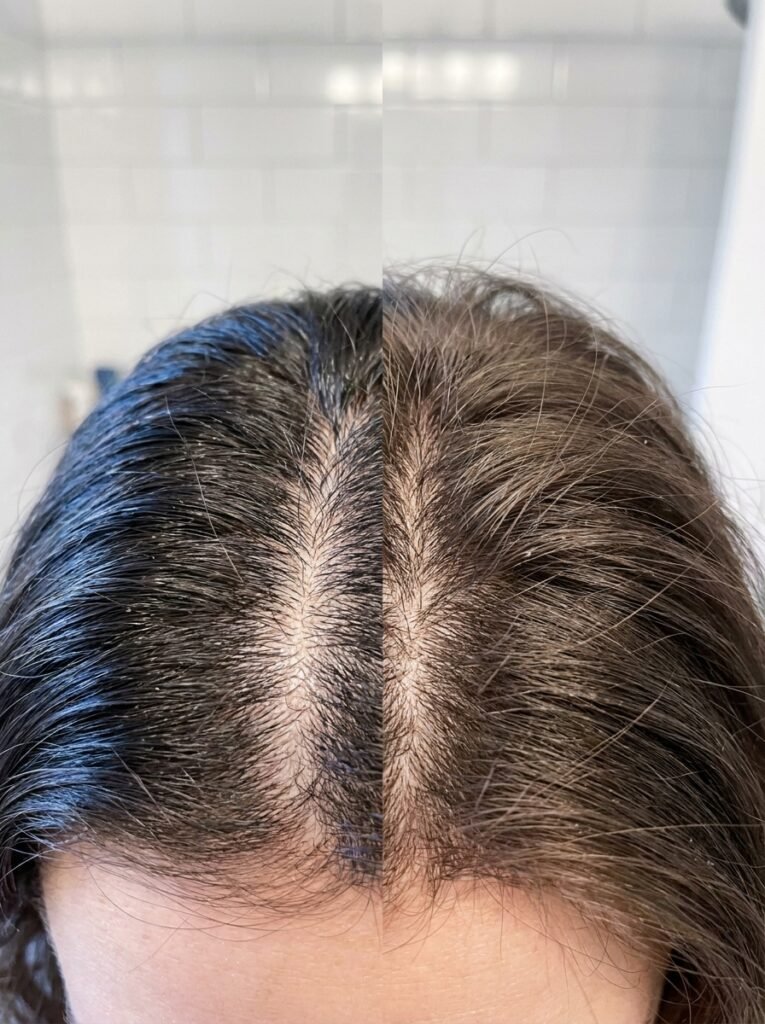
You washed your hair yesterday. It looked great. Then you woke up today, and your roots are flat, shiny, and stuck to your forehead.
Sound familiar? You’re not dirty, and you’re not doing everything wrong. Your scalp is a skin, and some skin just makes more oil. But a few everyday habits can make it way worse.
Hair gets greasy after one day when your scalp makes a lot of oil (sebum) and something helps that oil show up faster. The usual helpers are product near your roots, buildup, fine straight hair, touching or brushing your hair a lot, and a shampoo routine that isn’t cleaning your scalp well. Fix the habit, and your hair can last longer between washes.
Below, you’ll find a 30-second checklist to spot your cause, the 9 most common reasons, a simple 7-day reset, and quick fixes for day-two hair.
Find Your Cause in 30 Seconds
| What you notice | Likely cause | Jump to |
|---|---|---|
| Oily by the next morning, every time | Your scalp naturally makes more oil | #1 |
| Roots feel coated even right after washing | You’re not cleaning the scalp well | #2 |
| Greasy mostly around your face and crown | Conditioner or product near the roots | #3 |
| Hair looks dull and heavy, not just shiny | Product buildup | #4 |
| Fine, straight hair that goes flat fast | Hair type | #5 |
| Worse on busy or stressful days | Touching and brushing | #6 |
| Greasy faster after workouts or wearing hats | Sweat, hats, pillowcase, dirty tools | #7 |
| Worse in summer or after hot showers | Heat and humidity | #8 |
| Yellowish, greasy flakes, itching, or redness | A scalp condition | #9 |
1. Your Scalp Simply Makes More Oil
Every hair follicle has a tiny oil gland attached to it. That oil, called sebum, keeps your scalp and hair from drying out.
How much oil you make is mostly about genetics and hormones. Androgens (a group of hormones) play a big role in how fast oil is released. That’s why oiliness can change during puberty, pregnancy, stressful months, or when you start or stop certain medications, like birth control.
You can’t change your genes. But you can stop fighting your scalp.
The fix:
- Wash as often as your scalp needs. For very oily scalps, that may be daily or every other day. That’s okay.
- Pick a gentle shampoo made for oily scalps or daily use. Skip anything that leaves your scalp tight or itchy.
- If your oil suddenly changed for no clear reason, mention it to your doctor. Hormone shifts are worth checking.

- Hair Regrowth Tip – One of the easiest ways to combat hair loss is
- Powered by Rosemary Oil – Enhance your fine thinning hair with our
- Made with Care – We feature some of the best natural hair oils in our
- For Best Results – Take your hair and scalp care to the next level by
2. You’re Not Actually Cleaning Your Scalp
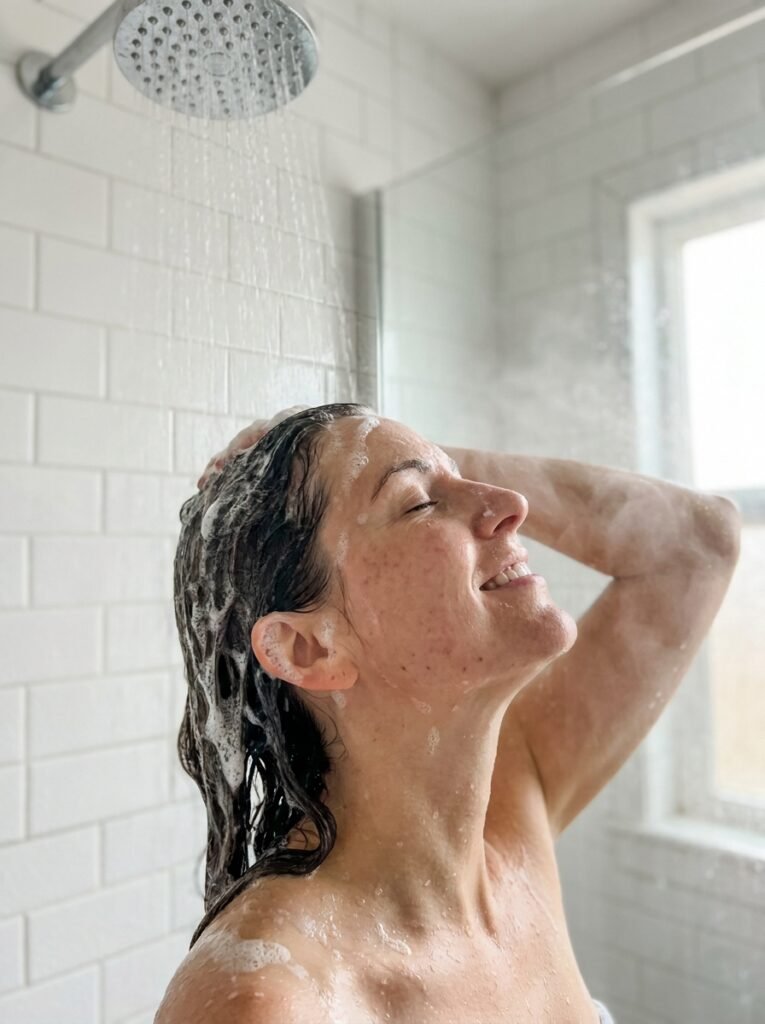
A lot of people wash their hair, not their scalp. The shampoo foams up on the lengths, gets rinsed off fast, and the roots stay coated.
Oil and product can be hard to lift in one round, especially if you use styling products.
The fix:
- Wet your hair fully. Give it 30 seconds under the water before shampoo.
- Put a small amount of shampoo on your scalp, not your ends.
- Massage with your fingertips (not nails) for 60 seconds. Work section by section: front, sides, crown, nape.
- Rinse, then shampoo a second time. The second wash usually foams more, which means the first one did its job.
- Rinse for longer than you think. Leftover shampoo can make roots feel heavy too.
A soft silicone scalp massager makes step 3 easier and feels great.
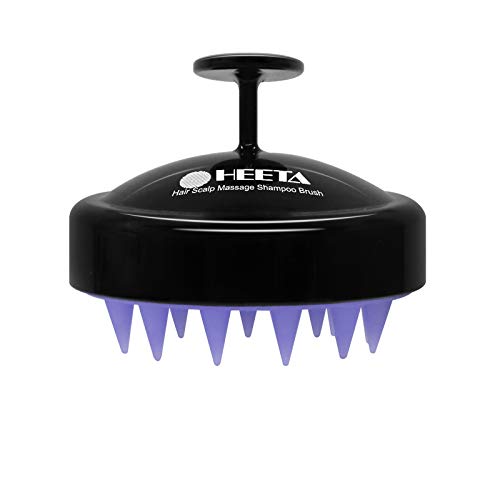
- This scalp massager refreshes the scalp for stronger
- This scalp scrubber features soft
- Whether you're applying shampoo
- Chosen by over 5 million users, the HEETA shampoo brush features wide
3. Your Conditioner (or Products) Are Touching Your Roots
Conditioner is made to coat hair and make it smooth. That’s great for dry ends. On your roots, it just adds weight and shine.
The same goes for hair oils, serums, leave-ins, and heavy creams.
The fix:
- Condition from the ears down, mainly on the ends.
- Choose a lightweight conditioner. If your hair is fine, look for words like “volumizing” or “lightweight”.
- Put oils and serums on your palms first, then smooth over the ends only.
- Rinse conditioner well. Tip your head back and let the water run through the lengths.

- Conditioner for fine hair that weightlessly moisturizes while adding
- Soy protein and polymers detangle hair
- Boosts volume and lifts roots while conditioning without weighing hair
- Formulated for fine hair needing lift and lightweight moisture
4. Product Buildup Is Trapping Oil
Dry shampoo, silicones, hairspray, mousse, and oils can slowly build a film on your scalp and hair. That film holds onto oil, dirt, and sweat. Hard water minerals can add to it too.
The result is hair that looks greasy and dull, and feels heavy even when it’s clean.
The fix:
- Use a clarifying shampoo once every 1–2 weeks. It’s stronger than daily shampoo and lifts the film your regular wash leaves behind.
- If you have hard water, a chelating shampoo or a shower filter can help.
- Go easy on dry shampoo. It’s a great day-two tool, but layering it for days makes buildup worse.
- If your hair is colored, use clarifying shampoo less often, because it can fade color faster.

- Apple Cider Vinegar Shampoo for Itchy Scalp and Product Build Up
- Time to Detox – This cleansing shampoo uses chelating agents to help
- OUAI Means Yes – In that casual Parisian way
- Made For Effortless Routines – All OUAI hair care products including

- Uses a standard half-inch connection
- Designed to maintain full water flow throughout its filtration stages
- One of two Aquabliss shower filters approved for well water use
- No tools needed
5. You Have Fine, Straight Hair
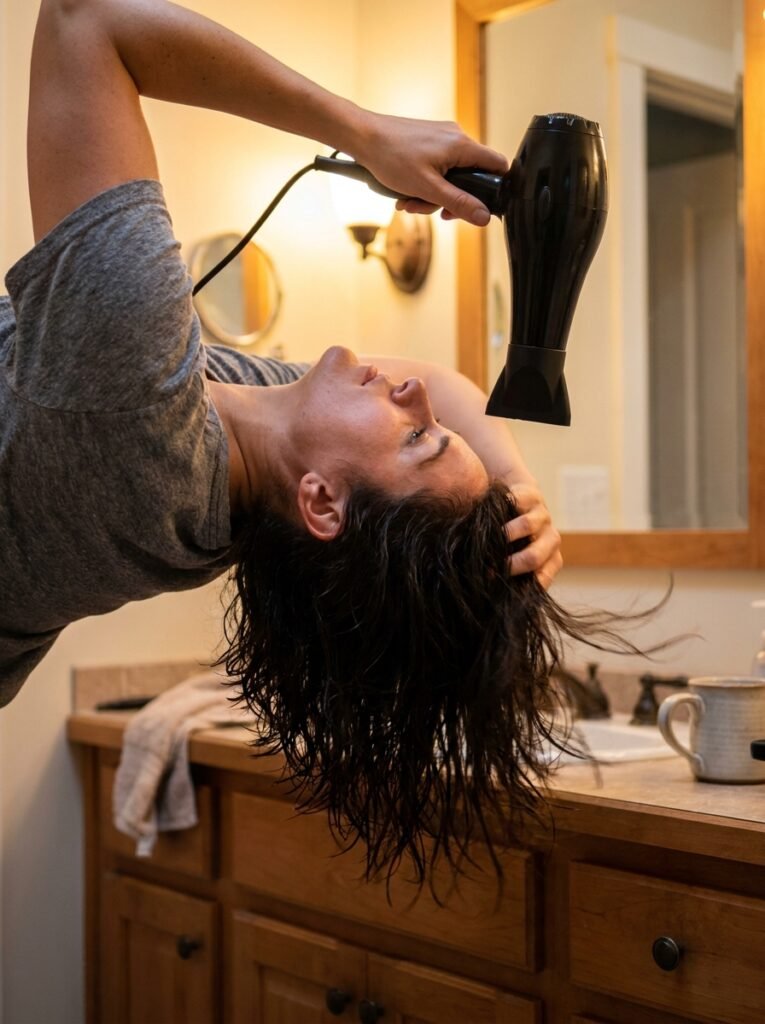
This one isn’t a habit. It’s just how oil travels.
On straight hair, oil slides down the strand easily, so it shows up fast. Fine hair also has more strands per square inch, which means more follicles and more oil glands. Curly and coily hair hides oil better because it can’t travel down the bends as quickly.
The fix:
- Add root lift with a volumizing mousse or root spray on damp roots, then blow-dry with your head flipped over.
- Switch your part every few days. A part that’s been flat all week looks greasier.
- Try a texturizing spray on day two. It adds grip and hides shine.
- Keep layers and styles that add body. Long, one-length hair that lies flat shows oil sooner.

- Free of alcohol, salt, drying resins typically used to create volume
- Massive volume plus super healthy hair quality
- Fortified with strand-strengthening bamboo
- Innovative light, frothy formula for weightless volume
🔁 [INTERNAL LINK: Hairstyles for Thin Hair That Make It Look Thicker]
6. You Touch or Brush Your Hair a Lot
Running your fingers through your hair, pushing it behind your ears, or twirling it during a long meeting all move oil from your scalp and hands onto your hair.
Brushing does the same thing. It pulls oil from the roots down the lengths. That’s great for very dry hair, but not for an oily scalp.
The fix:
- Brush only to detangle and style. Skip the “100 strokes a day” advice.
- Notice when you touch your hair. A claw clip or loose low bun can help keep hands off on busy days.
- Pull hair back when you wash your face or apply skincare, so creams don’t end up on your hairline.
7. Your Pillowcase, Hats, Brushes, or Sweat Are Adding Oil
The things that touch your hair every day collect oil and product. Then they put it right back on your clean hair.
Sweat from workouts or hot weather also mixes with oil and makes roots look flat faster.
The fix:
- Change your pillowcase 2–3 times a week. Some people like silk or satin because it causes less friction.
- Clean your brushes and combs every week. Pull out loose hair, then wash them with a little shampoo and warm water.
- Wash hats, headbands, and scrunchies often.
- After a workout, rinse your scalp or use dry shampoo once your scalp is dry, not while it’s still sweaty.

- 100% polyester satin pillowcases create silk-like smoothness that
- Buttery smooth surface minimizes skin marks and morning creases
- Envelope closure keeps pillows perfectly positioned without sliding—a
- Cruelty-free alternative to silk that delivers the same smooth
8. Heat and Humidity Are Making It Worse
Warm, humid air makes oil look shinier and spread faster. Very hot showers and high blow-dryer heat can also leave your scalp warm and feeling greasy sooner.
The fix:
- Wash with lukewarm water, not hot. End with a quick cool rinse if you like.
- Blow-dry on medium heat and point the air down the hair, not straight at your scalp.
- In humid months, plan to wash a little more often. It’s seasonal, and that’s normal.
- Use a heat protectant on your lengths if you blow-dry or straighten.

- Lightweight blow dry primer spray for all hair types and textures
- This lightweight primer spray protects hair from heat up to 450F/232C
- Nourishes and conditions hair, leaving hair smooth and shiny
- Shake well before use and spray 5-8 inches on to damp hair lengths
9. You Might Have a Scalp Condition
Sometimes greasy hair comes with other signs. If you see yellowish or white flakes that look greasy, plus itching, redness, or a rash along the hairline, eyebrows, or sides of the nose, it could be seborrheic dermatitis. It’s a common skin condition that shows up on oily areas like the scalp and face.
This isn’t caused by being “dirty”, and regular shampoo alone often won’t fix it.
The fix:
- Try an over-the-counter dandruff shampoo with ingredients like ketoconazole, selenium sulfide, or zinc pyrithione. Leave it on for a few minutes before rinsing, and follow the label.
- Rotate it with your normal shampoo if it feels drying.
- See a dermatologist if it doesn’t improve in a few weeks, if your scalp is sore or bleeding, or if you notice hair loss.

- Nizoral shampoo is different because it doesn’t just address
- The only over the counter dandruff shampoo with Ketoconazole 1%
- The active ingredient in Nizoral is 10X more effective at killing
- Gentle enough to use on color treated
Myth Check: Can You “Train” Your Hair to Be Less Greasy?
You’ve probably heard that washing every day makes your scalp produce more oil, so you should wash less and “train” it.
The honest answer is that the science isn’t settled. Oil production is driven mainly by hormones and genetics, not by how often you shampoo. Some dermatologists think harsh shampoos can dry the scalp and make things worse, but there’s no strong proof that skipping washes changes how much oil your glands make.
What does change when people wash less is often their routine: gentler shampoo, less product, and better styling for day two. Those changes help on their own.
Our take: Wash as often as you need to feel clean and comfortable. If you want to stretch washes, do it slowly, and use the tips below to make day two easier.
The 7-Day Greasy Hair Reset
Try this for one week, then see how long your hair stays fresh.
| Day | What to do |
|---|---|
| Day 1 | Clarify to remove buildup. Then condition the ends only. Wash your pillowcase and brushes. |
| Day 2 | If needed, wash with a gentle shampoo (two rounds, focus on scalp). Lightweight conditioner on ends. |
| Day 3 | Day-two styling: dry shampoo on dry roots at night, texturizing spray, switch your part. |
| Day 4 | Wash again if roots feel greasy. Lukewarm water, medium blow-dry heat. |
| Day 5 | Check your products. Remove one heavy product from your routine. |
| Day 6 | Wash if needed. Change your pillowcase again. |
| Day 7 | Notice your pattern. Are you lasting longer? Which day did your roots get oily? Adjust from there. |
Most people notice a difference within a week, mainly from removing buildup and keeping products off the roots.
Quick Fixes When Your Hair Is Already Greasy
Running late? These buy you a few hours.
- Dry shampoo, the right way. Spray it on dry roots, ideally the night before. Wait two minutes, then massage and brush through. Pick a shade close to your hair color if you have dark hair.
- Blot first. Press a clean tissue or blotting paper on your roots to soak up some oil before adding product.
- Wash just your fringe. Bangs get greasy first. Wash and blow-dry them in the sink in five minutes.
- Use a greasy-day hairstyle. A sleek low bun, slicked-back ponytail, braid, or claw clip makes shine look intentional.
- Add texture. A texturizing spray or root powder adds grip and hides shine.

- Unique moisturizing texture spray won't dry hair or glue strands
- Transparent texturizers won’t cloud or dull color
- Gives hair “guts” and long-lasting style memory
- Non-yellowing
When to See a Doctor
Greasy hair is usually harmless. But talk to a doctor or dermatologist if:
- Your hair became very oily suddenly, along with acne, irregular periods, or new hair growth on your face or body
- You have flaking, redness, itching, or a rash that doesn’t get better with dandruff shampoo
- Your scalp hurts, burns, or bleeds
- You notice more hair shedding than usual
FAQ
Is it bad to wash your hair every day? Not for most people with oily scalps. Use a gentle shampoo, condition your ends, and avoid very hot water. If your ends feel dry, focus shampoo on your scalp only.
Why are my roots greasy but my ends are dry? Oil starts at your scalp and doesn’t always reach long or damaged ends. Wash your scalp, condition only your ends, and use a light oil or leave-in on the ends only.
Is dry shampoo bad for your hair? Used now and then, it’s fine. Using it many days in a row can build up on your scalp. Clarify regularly and don’t use it to skip washing for a week.
What shampoo ingredients are good for oily hair? Look for shampoos labeled “balancing”, “clarifying” (for weekly use), or “for oily hair”. If you have flakes too, dandruff shampoos with ketoconazole, selenium sulfide, or zinc pyrithione can help.
Can diet cause greasy hair? There isn’t strong evidence that one food makes your hair greasy. Hormones, genetics, and your hair routine have a much bigger effect. A balanced diet is still good for your overall hair health.
The Bottom Line
Greasy hair after one day is usually a mix of an oily scalp plus a habit that makes it show faster. Start with the easy wins: shampoo your scalp twice, keep conditioner off your roots, clarify every week or two, and clean your pillowcase and brushes.
Give it a week. Most people find their hair lasts longer than they thought it could.