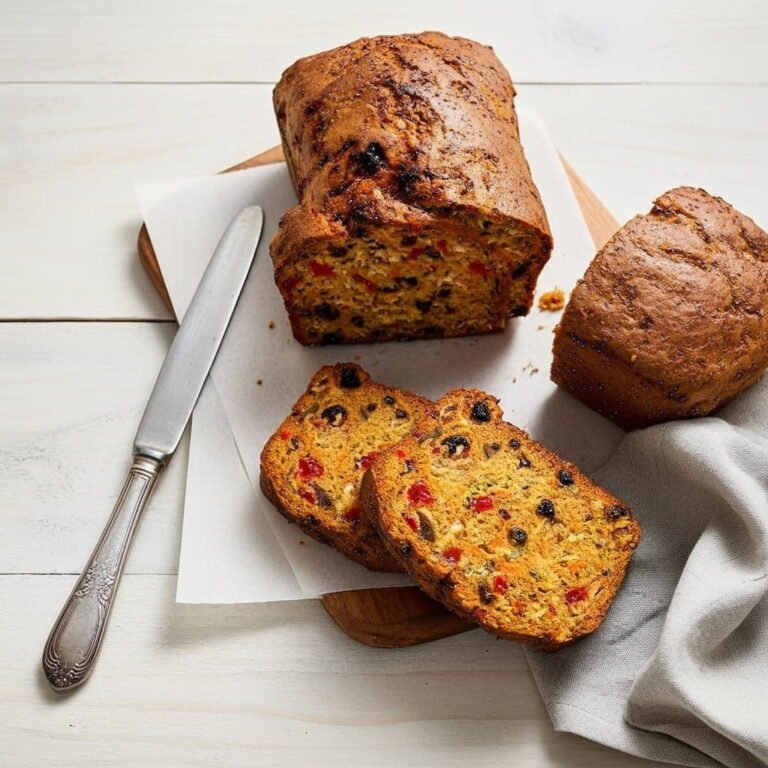
Classic Homemade Easter Bread: Soft, Light, and Slightly Sweet
I look forward to making Easter Bread every spring because it feels like a small celebration baked right into my kitchen. There’s something special about working with yeast, watching the dough rise, and filling the house with that warm, slightly sweet aroma.

This recipe has become one I return to year after year because it’s simple, reliable, and always turns out beautifully soft. I love how Easter Bread can be enjoyed in so many ways, whether it’s sliced for breakfast, served alongside brunch, or lightly toasted with butter and jam.
It’s not overly sweet, which makes it perfect for pairing with both sweet and savory dishes. Baking this bread feels comforting and traditional, and sharing it with family always makes the holiday feel a little more complete.
Why You’ll Love This Recipe
- Easy to Make: Straightforward steps and simple techniques make this great for beginners.
- Soft and Flavorful: Light texture with just the right amount of sweetness.
- Simple Ingredients: Made with pantry staples you likely already have on hand.
- Versatile Serving Options: Enjoy it plain, toasted, or with sweet or savory toppings.
- Perfect for Easter: Ideal for breakfast, brunch, or as part of a holiday spread.

Easter Bread
Ingredients
Method
- In a bowl, combine warm milk and yeast. Let sit for 5 minutes until foamy.
- Add sugar, melted butter, eggs, and salt. Mix well.
- Gradually add flour, mixing until a soft dough forms.
- Knead the dough on a floured surface for 8–10 minutes until smooth.
- Place dough in a greased bowl, cover, and let rise for 1–1½ hours.
- Shape the dough as desired and place on a baking sheet.
- Let rise again for 30 minutes.
- Bake at 350°F (175°C) for 25–30 minutes until golden brown.
- Cool completely before slicing.
Notes
- Store leftovers tightly wrapped at room temperature for up to 3 days.
- Add citrus zest or a light glaze for variation.
- Bread can be frozen whole or sliced for later use.
Pro Tips
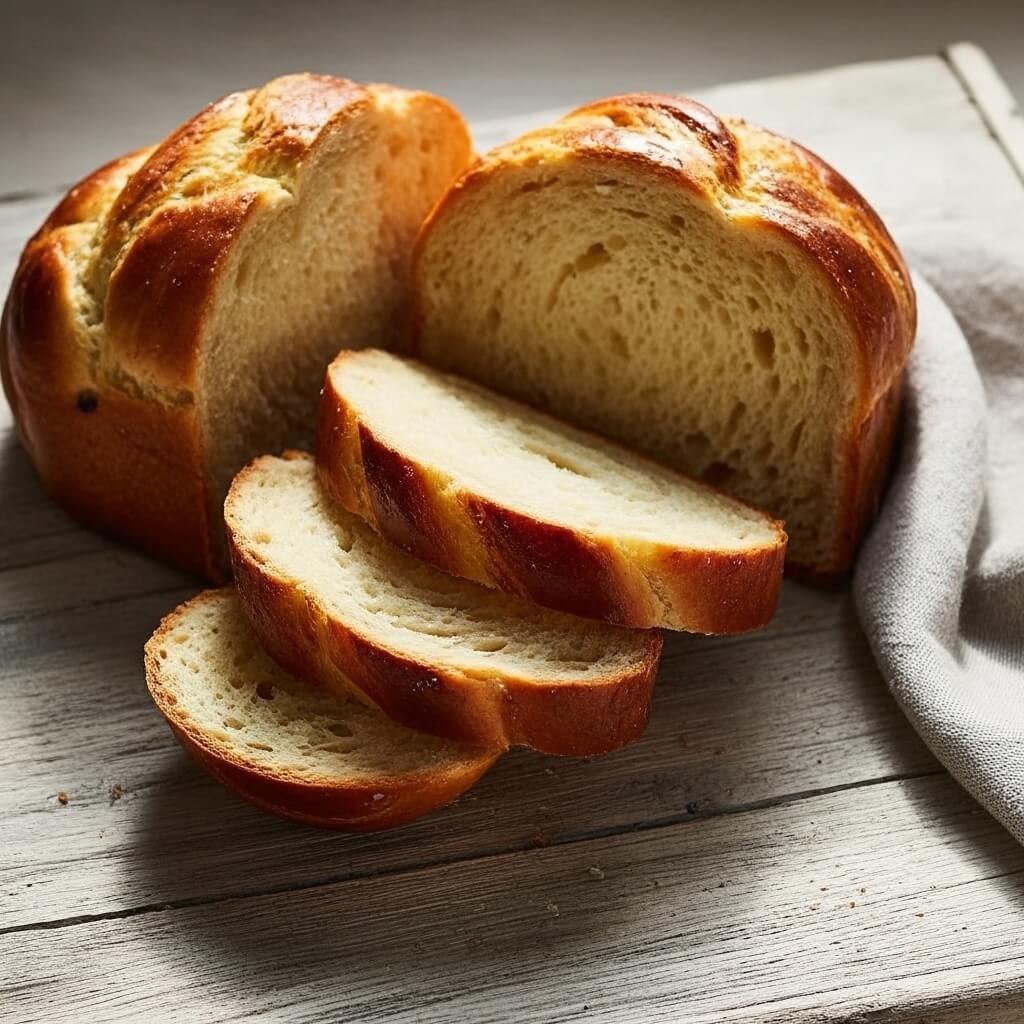
- Use warm, not hot, milk to activate the yeast properly.
- Let the dough rise in a warm, draft-free spot for best results.
- Knead until the dough is smooth and elastic, not sticky.
- Cover the dough loosely to prevent it from drying out while rising.
- Don’t rush the rise time; it improves texture and flavor.
- Brush with egg wash gently to avoid deflating the dough.
- Cool completely before slicing for clean cuts.
FAQs
Can I make Easter Bread ahead of time?
Yes, you can bake it a day ahead and store it tightly wrapped at room temperature.
Can I use instant yeast instead of active dry yeast?
Yes, but reduce the rise time slightly and mix it directly with the dry ingredients.
Why didn’t my bread rise properly?
The yeast may be expired, or the liquid may have been too hot or too cold.
Can I freeze Easter Bread?
Yes, wrap it well and freeze for up to two months.
Is this bread very sweet?
No, it’s mildly sweet and balanced, making it very versatile.