Southern Chitterlings Recipe: Aunt Bessie Copycat
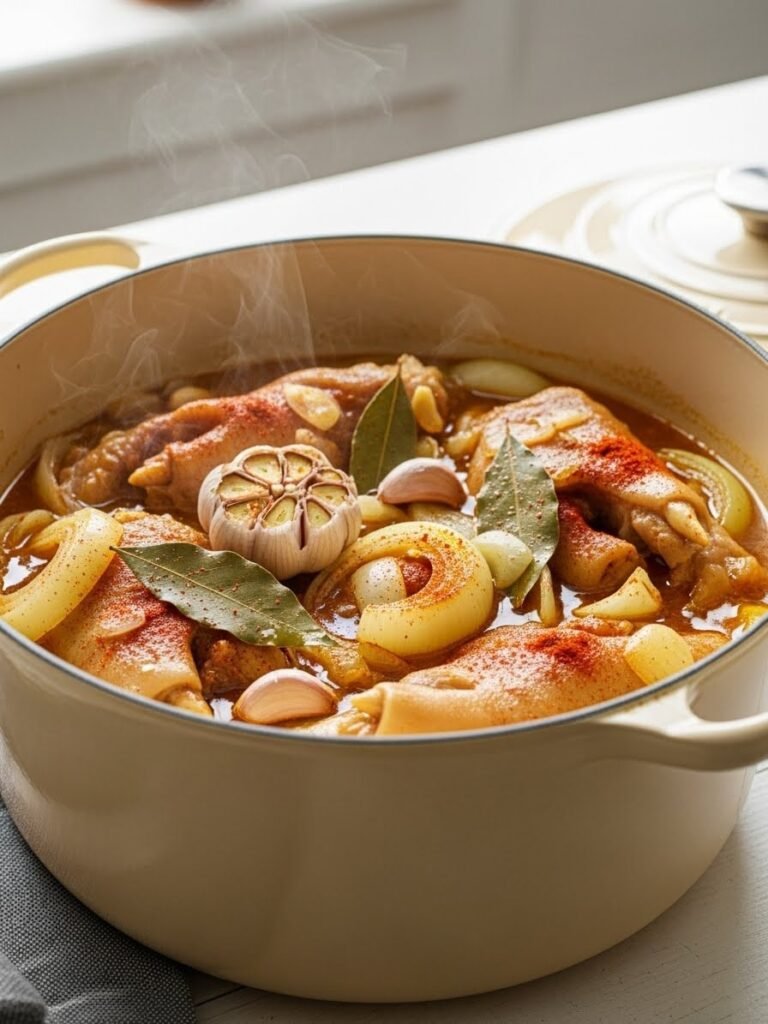
There’s nothing quite like the rich, soulful aroma of chitterlings simmering low and slow on the stove—deeply savory, boldly seasoned, and rooted in generations of Southern cooking.
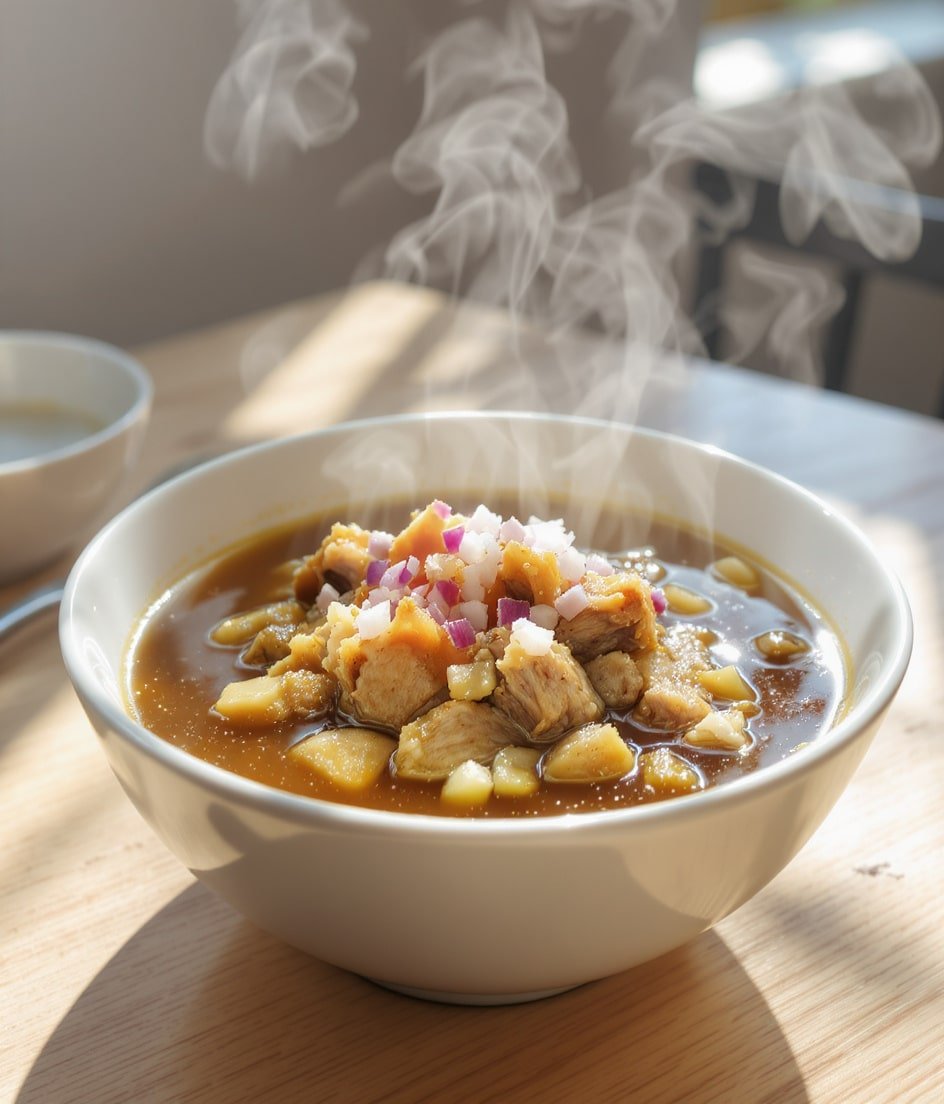
This Aunt Bessie copycat chitterlings recipe brings that classic down-home flavor straight into your kitchen with tender texture, perfectly balanced spice, and that unmistakable slow-cooked depth. The scent alone tells you something special is happening: onions melting into broth, garlic blooming, and porky richness filling the air.
This isn’t a rushed recipe. It’s a patient, hands-on process that rewards you with fork-tender chitterlings and a pot of boldly seasoned broth that tastes like Sunday dinner at grandma’s house.
If you’ve ever loved store-bought Aunt Bessie chitterlings but wanted fuller flavor and better texture, this homemade version delivers exactly that—authentic, comforting, and deeply satisfying.
Why You’ll Love This Recipe
- Deep, authentic Southern flavor just like classic chitlin dinners
- Tender, never rubbery texture with proper cleaning and slow cooking
- Budget-friendly comfort food made from simple ingredients
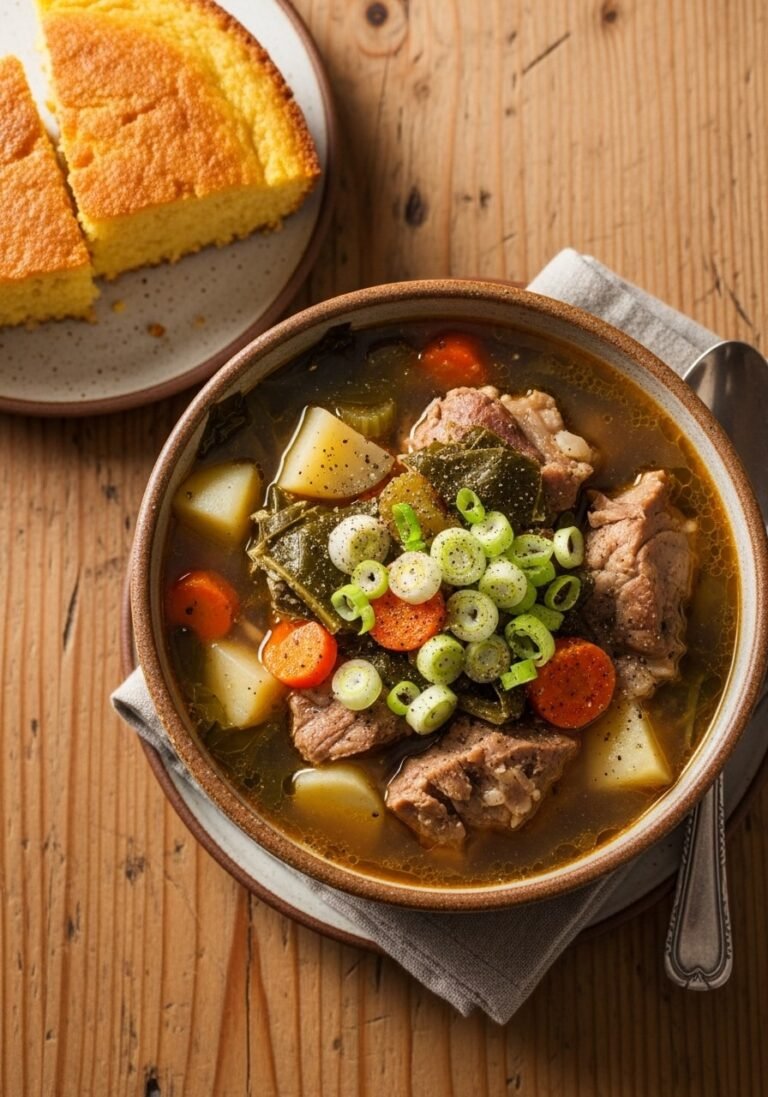
- Rich, savory broth perfect for sopping with cornbread
- Easy to customize heat and seasoning levels
- Ideal for holidays, family gatherings, and soul food nights
- Freezer-friendly for make-ahead meals
Ingredients
Ingredient List
- 10 lb cleaned hog chitterlings
- 2 large onions, chopped
- 4 cloves garlic, minced
- 2 tbsp apple cider vinegar
- 2 tbsp salt (plus more to taste)
- 1 tbsp black pepper
- 2 tsp crushed red pepper flakes (optional)
- 2 bay leaves
- 1 tsp paprika
- 1 tsp garlic powder
- 1 tsp onion powder
- 1 tsp cayenne pepper (optional)
- 10–12 cups water or low-sodium chicken broth
Ingredient Guide
Chitterlings: These are the star of the dish, offering rich pork flavor and unique chew. Even pre-cleaned versions require thorough rinsing for best taste and safety.
Onions: Onions add natural sweetness and depth to balance the strong pork flavor during the long simmer.
Garlic: Fresh garlic brings aromatic warmth and rounds out the savory base of the broth.
Apple Cider Vinegar: Vinegar helps neutralize strong odors while adding a subtle tang that brightens the dish.
Salt: Essential for seasoning the broth fully and penetrating the chitterlings as they cook.
Black Pepper: Adds steady background heat without overpowering the pork flavor.
Crushed Red Pepper: Optional heat for those who enjoy a spicier pot of chitlins.
Bay Leaves: Provide herbal depth and enhance the long-simmered aroma.
Paprika: Adds mild smokiness and color to the broth.
Garlic Powder & Onion Powder: Reinforce savory flavor throughout the liquid as the chitterlings cook.
Cayenne Pepper: Optional for bold heat that builds gradually with each bite.
Water or Broth: Forms the cooking base; broth adds extra depth if you want a richer finish.
Instructions

Step-by-Step Cooking Guide
1- Rinse the chitterlings thoroughly. Place them in a large sink or tub and rinse under cold running water. Separate each piece and remove any visible debris or excess fat. If skipped, grit can ruin both texture and flavor.
2- Vinegar soak for freshness. Transfer chitterlings to a large pot and cover with cold water and apple cider vinegar. Let soak 30–45 minutes, then drain and rinse again. This step reduces strong odors and improves final taste.
3- Start the simmer. Add cleaned chitterlings back to the pot with 10–12 cups of fresh water or broth. Bring to a rolling boil over high heat, then immediately reduce to a gentle simmer. Boiling too hard can toughen the meat.
4- Add aromatics and spices. Stir in onions, garlic, bay leaves, salt, black pepper, paprika, onion powder, garlic powder, and cayenne. The broth should smell deeply savory within minutes.
5- Slow cook to tenderness. Cover partially and simmer on low for 3 to 4 hours, stirring every 30 minutes. Chitterlings should become tender and slightly translucent. If liquid reduces too much, add hot water as needed.
6- Adjust seasoning. Taste broth during the last 30 minutes and adjust salt and heat. This is when flavors fully bloom and balance.
7- Final rest and serve. Let the pot rest off heat for 10 minutes before serving. This allows fibers to relax and soak up final seasoning. Serve hot with broth.
Serving Suggestions
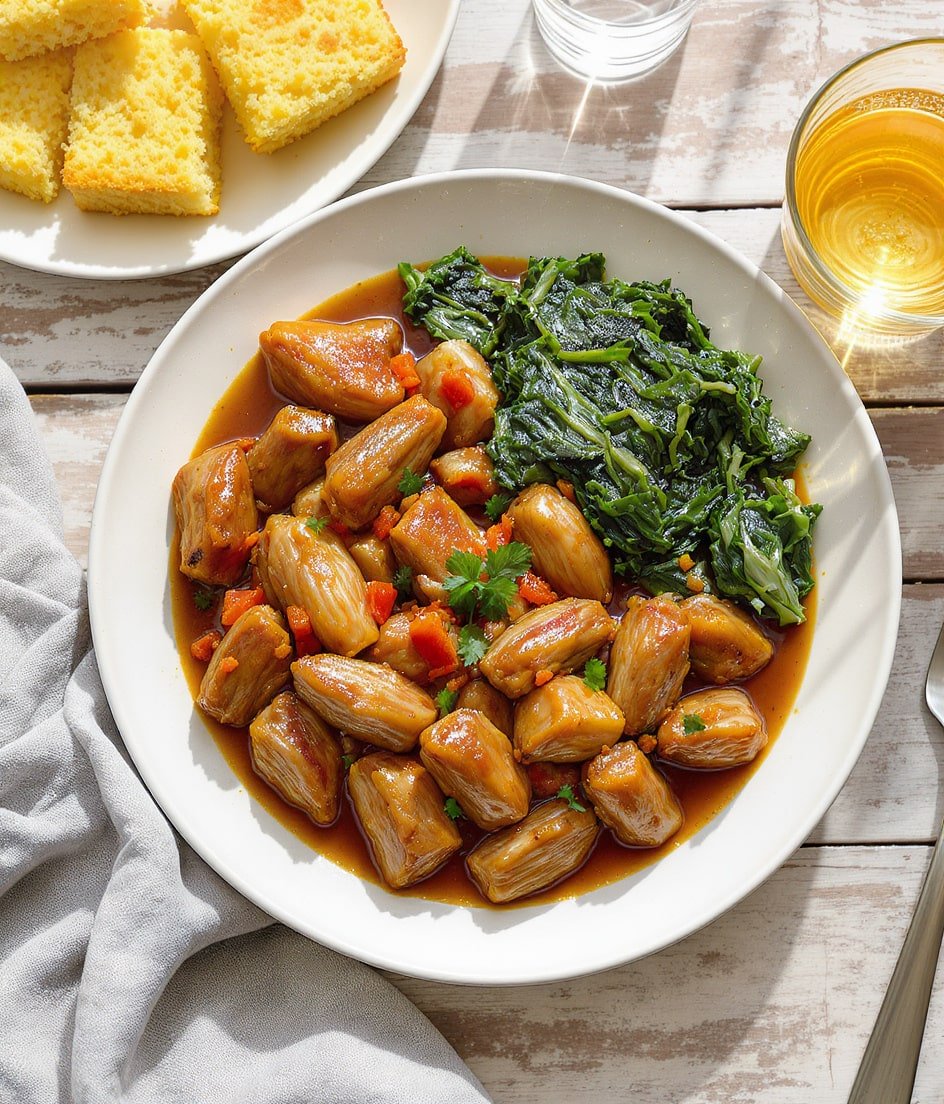
- With hot buttered cornbread for soaking up the savory broth
- Over steamed white rice for a hearty soul food plate
- Alongside collard greens and candied yams
- With fried catfish or pork chops for a full Southern spread
- With vinegar hot sauce for extra tang and heat
Variations
Spicy Creole Chitterlings: Add Creole seasoning, diced bell peppers, and celery for a Louisiana-style profile with bold heat and aromatic depth.
Smoky Turkey Chitterlings: Simmer with smoked turkey necks or wings to add richness without extra pork fat.
Garlic-Heavy Chitterlings: Double the garlic and finish with roasted garlic for a deeper savory finish.
Slow Cooker Method: After boiling 30 minutes, transfer everything to a slow cooker and cook on low for 6–7 hours until tender.
Storage Instructions
Store cooled chitterlings in an airtight container in the refrigerator for up to 3 days. For longer storage, freeze for up to 2 months with some cooking broth to prevent drying. Reheat gently on the stovetop over low heat, adding broth as needed.
Always reheat to steaming hot for food safety. Texture may soften slightly after freezing but flavor remains strong.
Mistakes to Avoid
- Skipping thorough cleaning, which leaves grit and off-flavors
- Boiling too aggressively, resulting in tough, rubbery texture
- Under-seasoning early in cooking, leading to bland broth
- Adding too much vinegar, which can overpower the pork
- Letting the pot boil dry during long simmering
- Serving immediately without resting, which dulls flavor absorption
- Overloading with spice before tasting final broth
- Storing without broth, causing chitterlings to dry out
Expert Tips
- Always slice larger chitterling pieces in half for more even cooking.
- Add salt early but fine-tune at the end once liquid concentrates.
- Use low heat and patience—tenderness comes from slow breakdown.
- Keep the lid slightly ajar to control evaporation and flavor intensity.
- Fresh onions give better sweetness than frozen or pre-chopped.
FAQs
Can I use pre-cleaned chitterlings?
Yes, but always rinse again thoroughly for best texture and safety.
How do I know when chitterlings are fully cooked?
They should be tender with no chewy resistance when bitten.
Can I make this in advance?
Yes. The flavor improves overnight in the refrigerator.
Are chitterlings supposed to be chewy?
They should be tender but still slightly firm, never rubbery.
What if my broth tastes bitter?
Too much bay leaf or burnt onions can cause bitterness.
Can I reduce the strong smell?
Vinegar soaking and proper cleaning dramatically reduce odor.
Are chitterlings healthy?
They’re high in protein but also rich in fat—best enjoyed in moderation.
Can I add potatoes?
Yes, add during the final 45 minutes so they don’t break down.
Final Thoughts
This Southern chitterlings recipe delivers all the comfort, soul, and deep flavor you expect from a true Aunt Bessie-style classic. With patience, careful cleaning, and proper seasoning, you’ll be rewarded with a hearty, unforgettable pot of Southern tradition.
Serve it with pride, share it with family, and savor every bold, comforting bite.
Southern Chitterlings Recipe (Aunt Bessie Copycat)
Ingredients
Method
- Clean the Chitterlings: Rinse thoroughly under cold running water, separating each piece and removing any remaining debris or excess fat.
- Vinegar Soak: Place chitterlings in a large pot, cover with cold water and vinegar, soak 30–45 minutes. Drain and rinse again.
- Start Cooking: Add chitterlings back to the pot with fresh water or broth. Bring to a boil, then reduce to a gentle simmer.
- Season the Pot: Add onions, garlic, bay leaves, salt, black pepper, paprika, onion powder, garlic powder, and cayenne.
- Slow Simmer: Cover partially and simmer on low for 3–4 hours, stirring every 30 minutes and adding hot water if needed.
- Taste & Adjust: During the last 30 minutes, adjust salt and heat to preference.
- Rest & Serve: Let rest 10 minutes off heat before serving hot with broth.
Notes
- Always rinse pre-cleaned chitterlings again for best texture and safety.
- Do not boil aggressively—low and slow ensures tenderness.
- Flavor improves after resting or overnight refrigeration.
- Store leftovers with broth to prevent drying.
- For extra richness, substitute half the water with chicken broth.