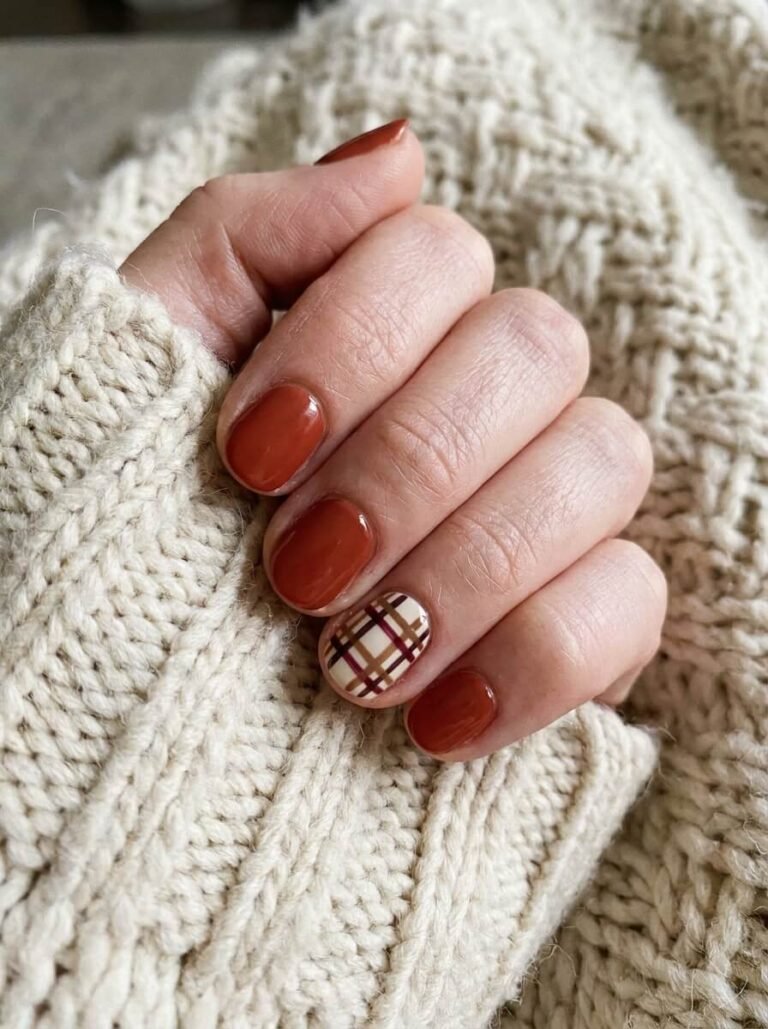
15 Short Nail Ideas for Nurses That Survive 12-Hour Shifts
Twelve-hour shifts, constant hand-washing, glove changes every few minutes, and a hospital policy that limits nail length to a quarter inch past your fingertip — as a nurse, your hands work harder than almost anyone else’s.
That doesn’t mean your nails have to look forgettable. Short, compliant nails can still feel polished, put-together, and completely you, whether you’re heading into a night shift, a holiday party after work, or just want something that survives fifteen rounds of hand sanitizer without chipping.
Below are fifteen short nail ideas built specifically for the reality of scrub life: durable finishes, low-maintenance shapes, and colors that hold up under fluorescent lights and disinfectant alike. Each one respects infection-control rules while still giving you a manicure worth showing off between patients.
1. Classic French Tips on a Short Round Shape
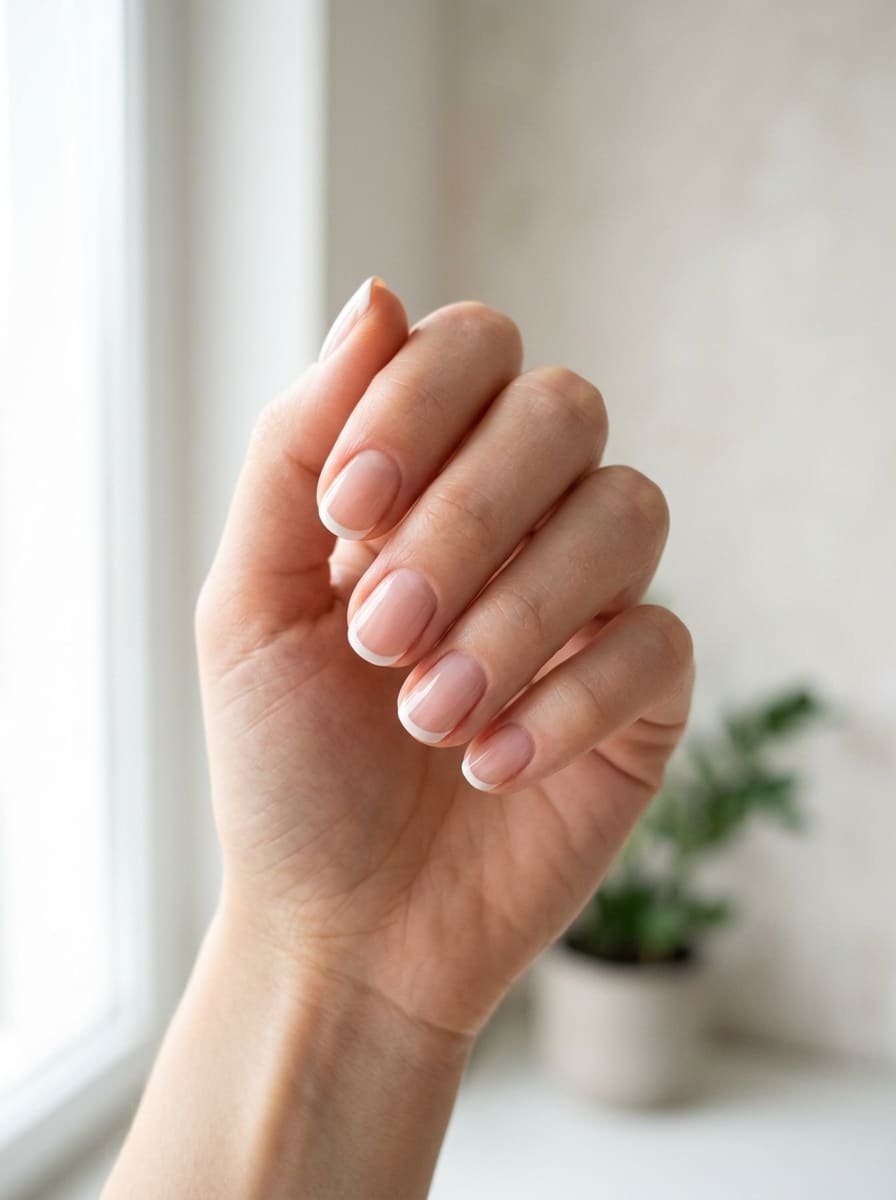
A short, rounded French manicure is the safest bet for any unit because the rounded edge stays smooth against gloves and won’t catch on gauze or tape. Keep the white tip thin — about one millimeter — so it reads clean rather than bulky on a nail that’s already trimmed short.
Use a sheer pink or nude base instead of stark white so any regrowth is barely noticeable between appointments. This style works for literally every shift type, from ICU to pediatrics, because it never looks out of place under scrubs or a lab coat.
2. Milky White “Clean Girl” Nails
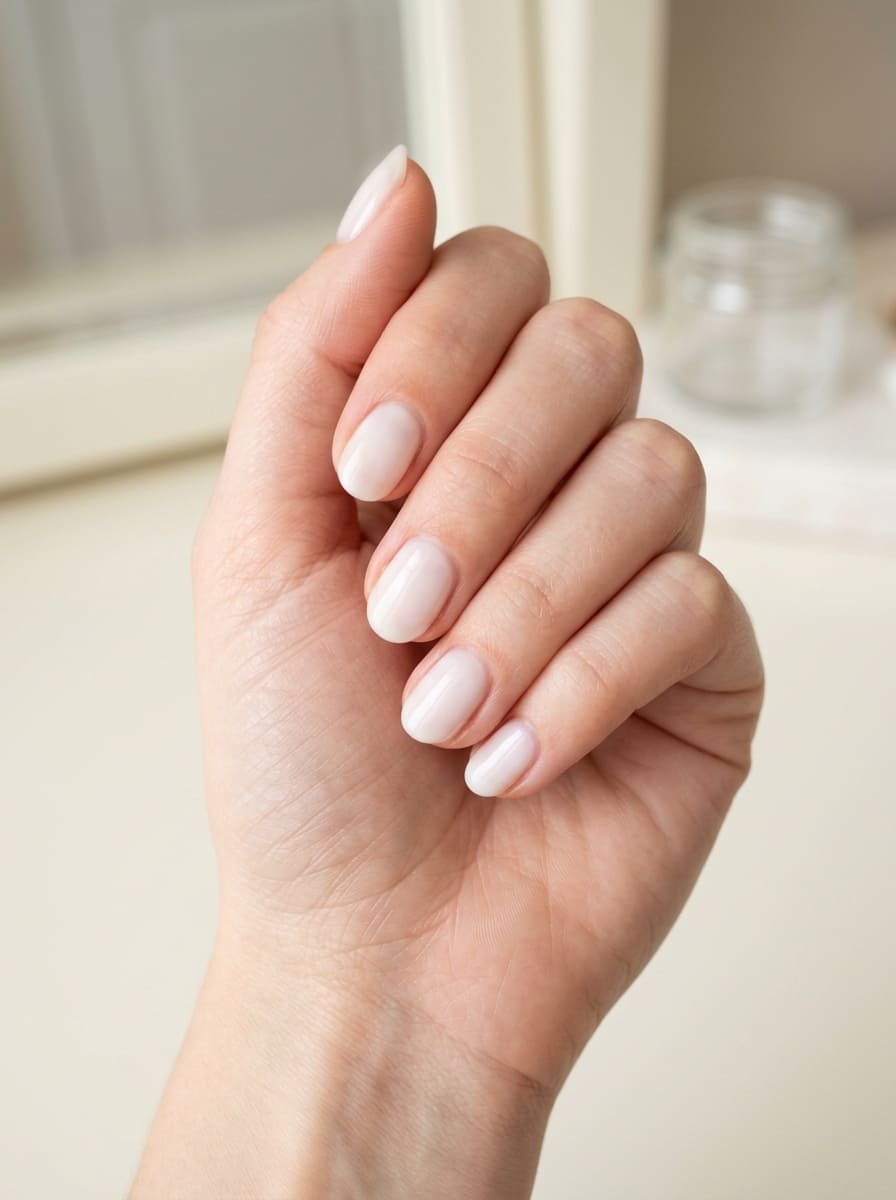
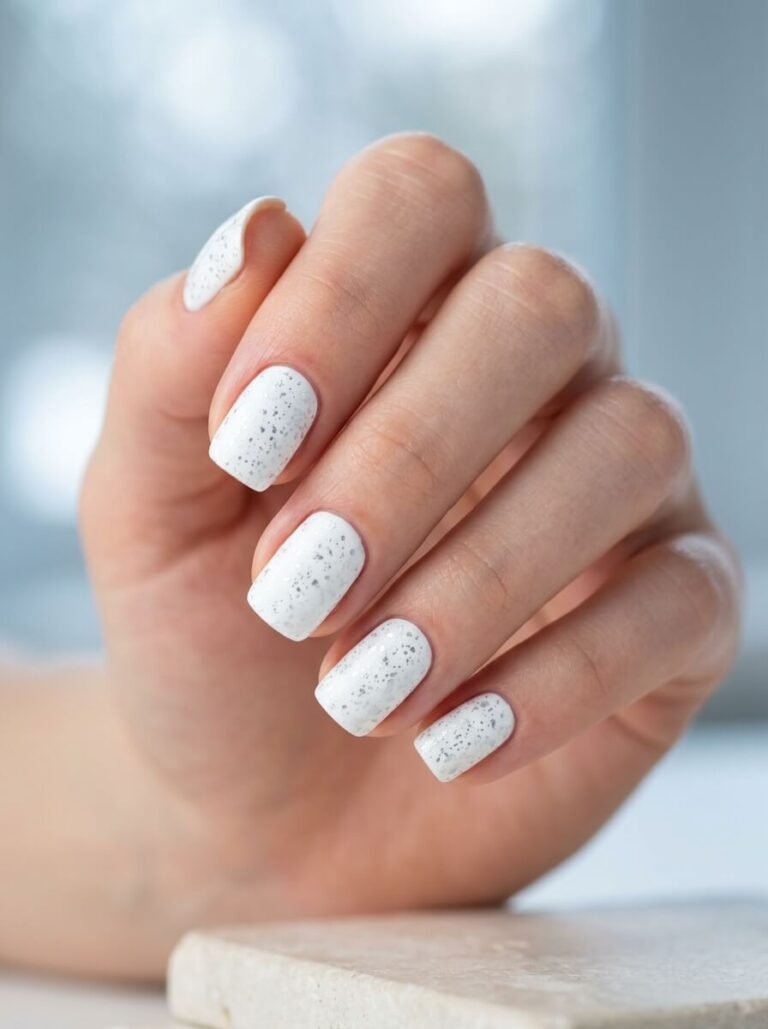
This barely-there milky white polish gives your nails a soft, glowing look without any color transfer risk onto patient charts, IV lines, or bedding. It reads professional even at a code-status meeting or a family conference, since it’s subtle enough to pass as bare nails from a few feet away.
Apply two thin coats over a ridge-filling base coat to smooth out any texture from frequent glove friction. It’s an easy weekly refresh because chips barely show against the pale shade.
3. Soft Blush Pink Gel Polish
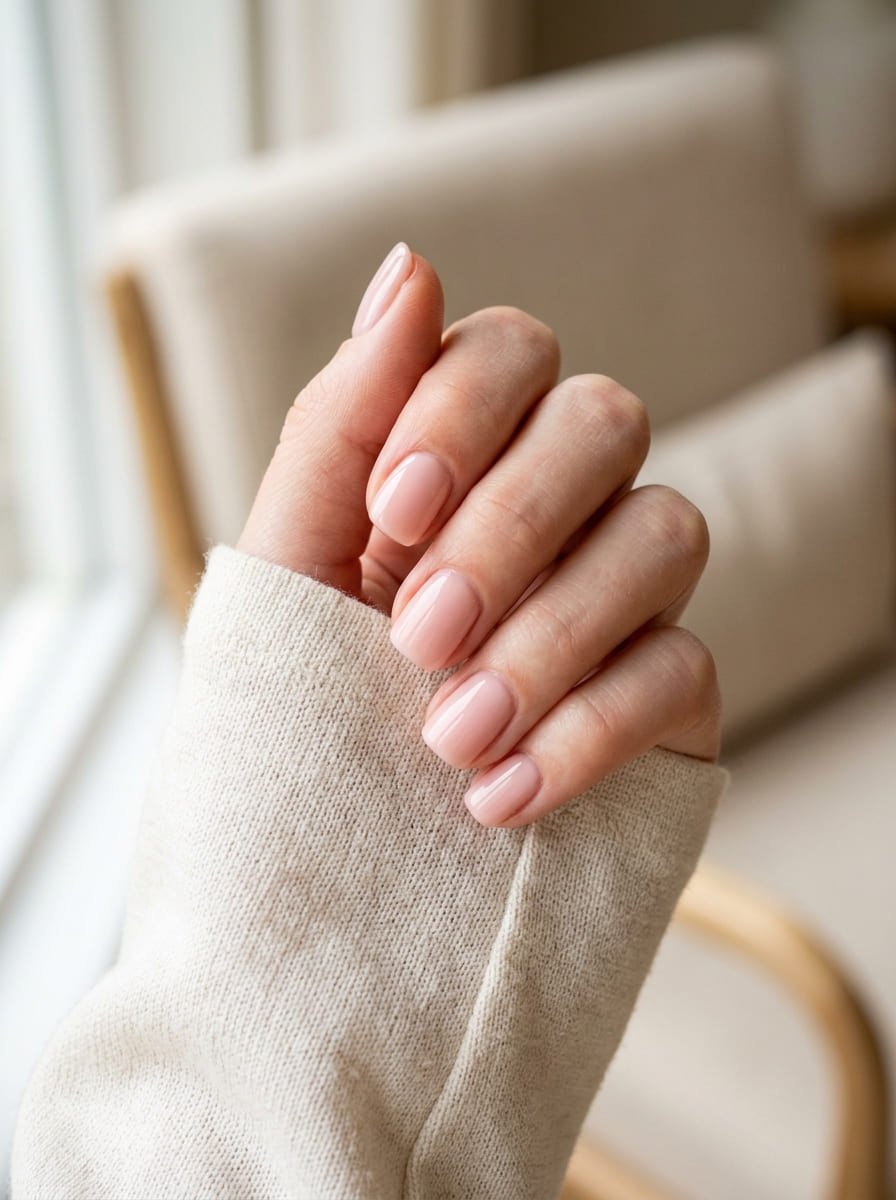
Gel polish is worth the extra ten minutes at the salon because it resists the constant hand sanitizer exposure that breaks down regular lacquer within days.
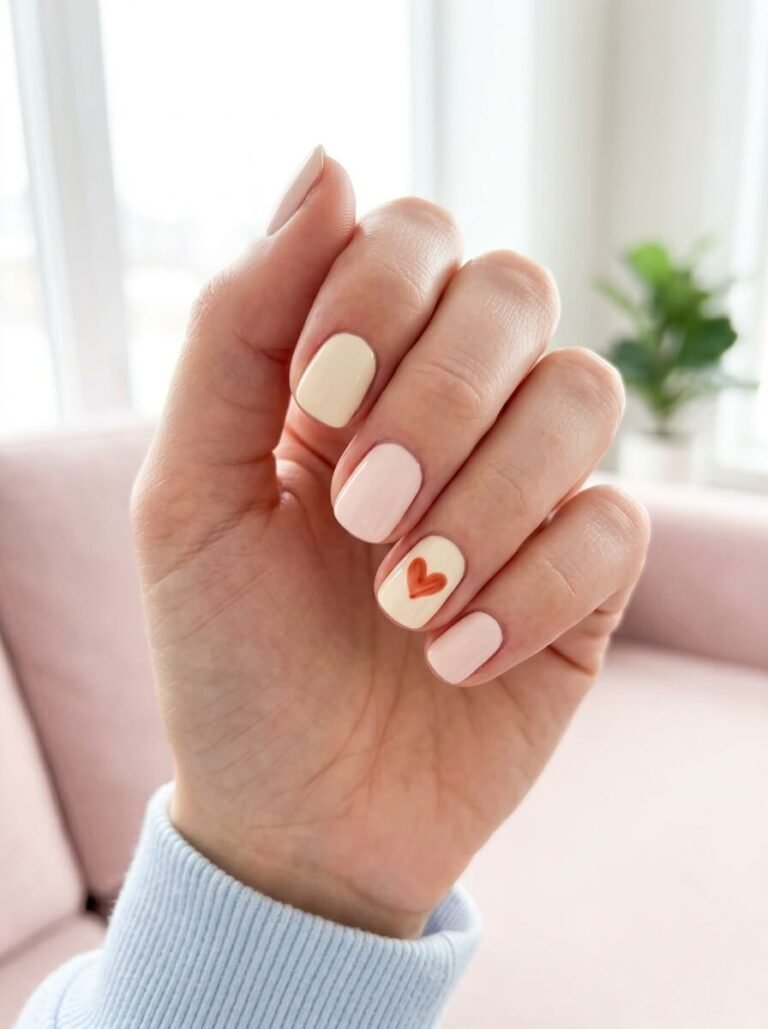
A soft blush pink keeps things warm and feminine without looking flashy next to a stethoscope or badge reel. This shade photographs well for staff photos or a coworker’s going-away lunch. Since gel cures hard, it also holds up better against the friction of pulling on nitrile gloves dozens of times a shift.
4. Matte Nude for a No-Shine Finish
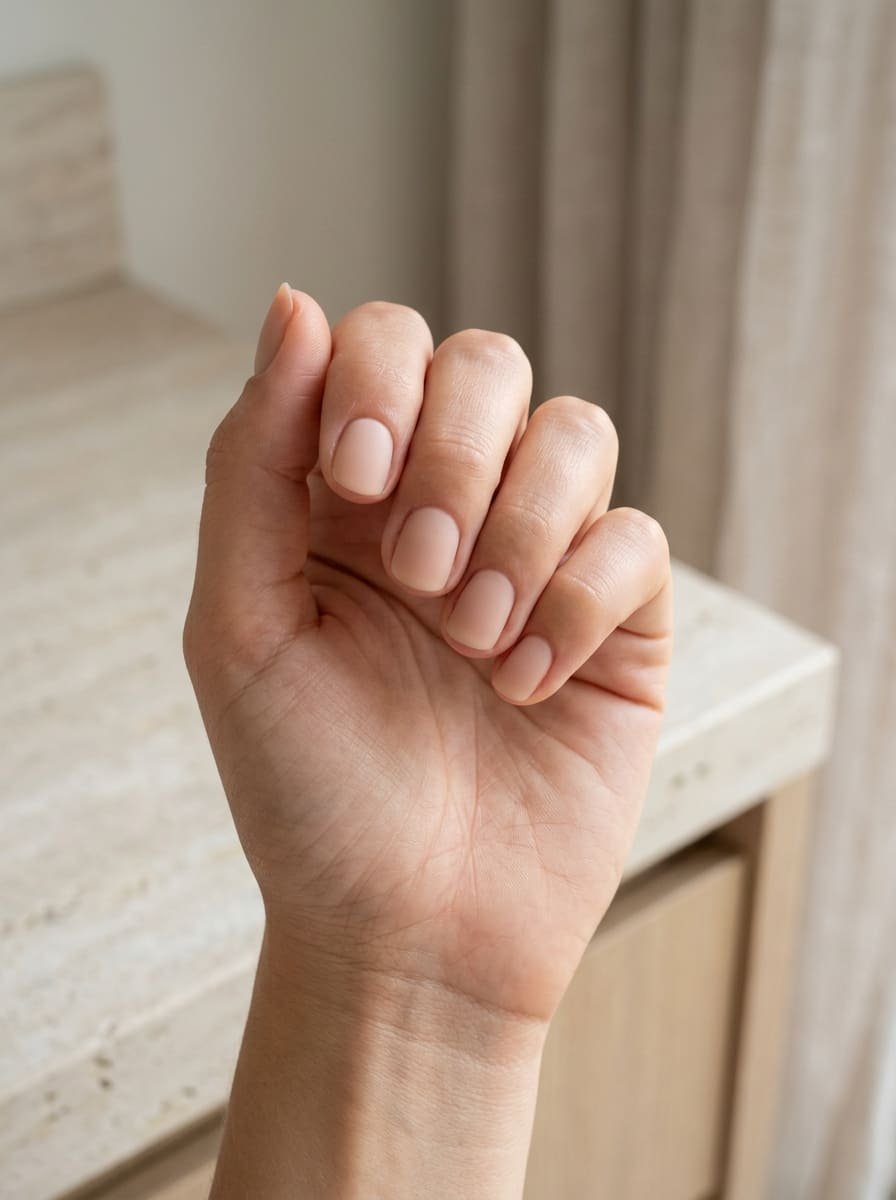
A matte top coat over a nude base is ideal if your facility discourages glossy, reflective nails in sterile environments like the OR prep area or NICU. The flat finish also hides small scuffs and glove-related wear better than high-shine polish does.
Choose a nude that matches your actual skin undertone rather than a generic beige, since that’s what makes this look feel intentional instead of plain. It’s a favorite among nurses who want polish without anyone noticing it’s there.
5. Sheer “Glazed Donut” Shine
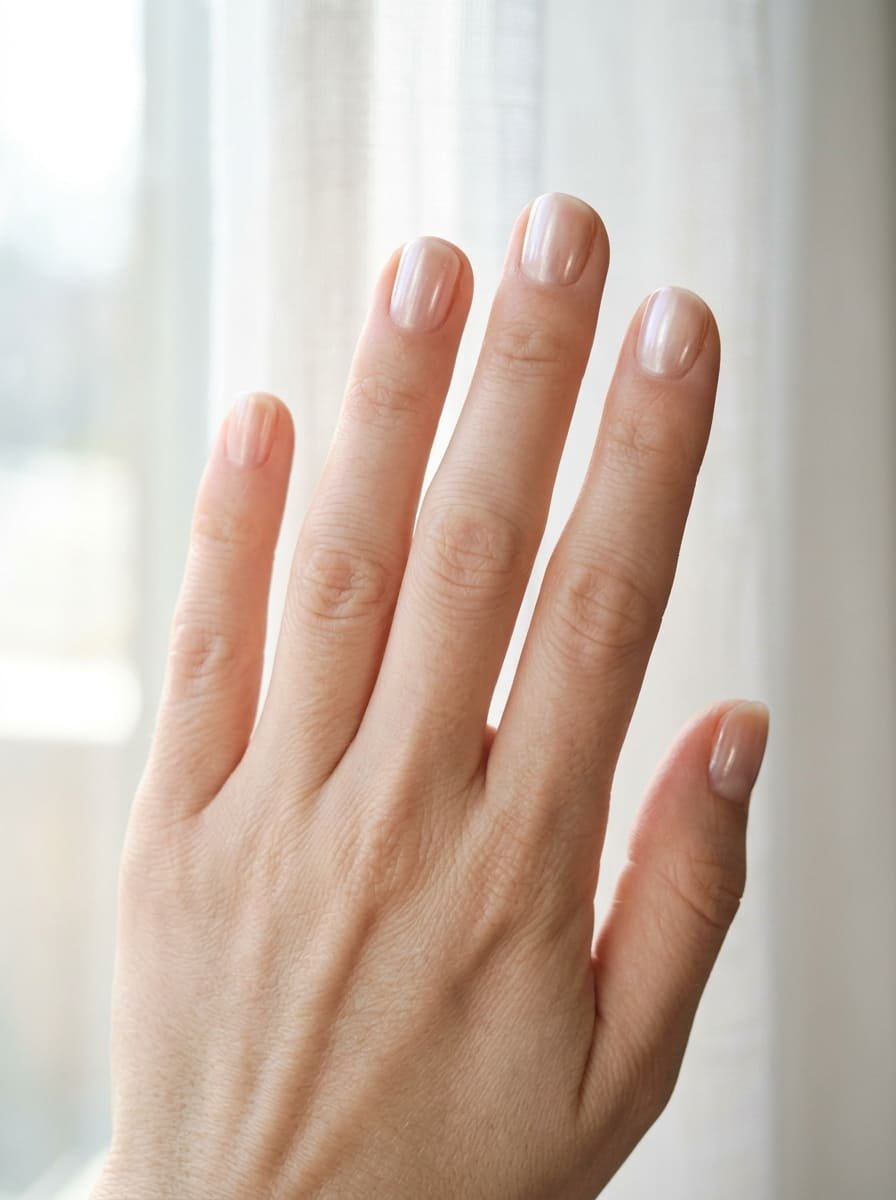
This glassy, translucent finish became popular for good reason: it gives short nails a healthy, hydrated look with almost zero commitment. A sheer pearlescent topcoat over bare or lightly buffed nails takes under fifteen minutes to apply before a shift. It won’t chip in a noticeable way since there’s no strong pigment to reveal wear.
This is the go-to option for nurses who barely have time for a full manicure between double shifts.
6. Micro Negative-Space Accent Nail
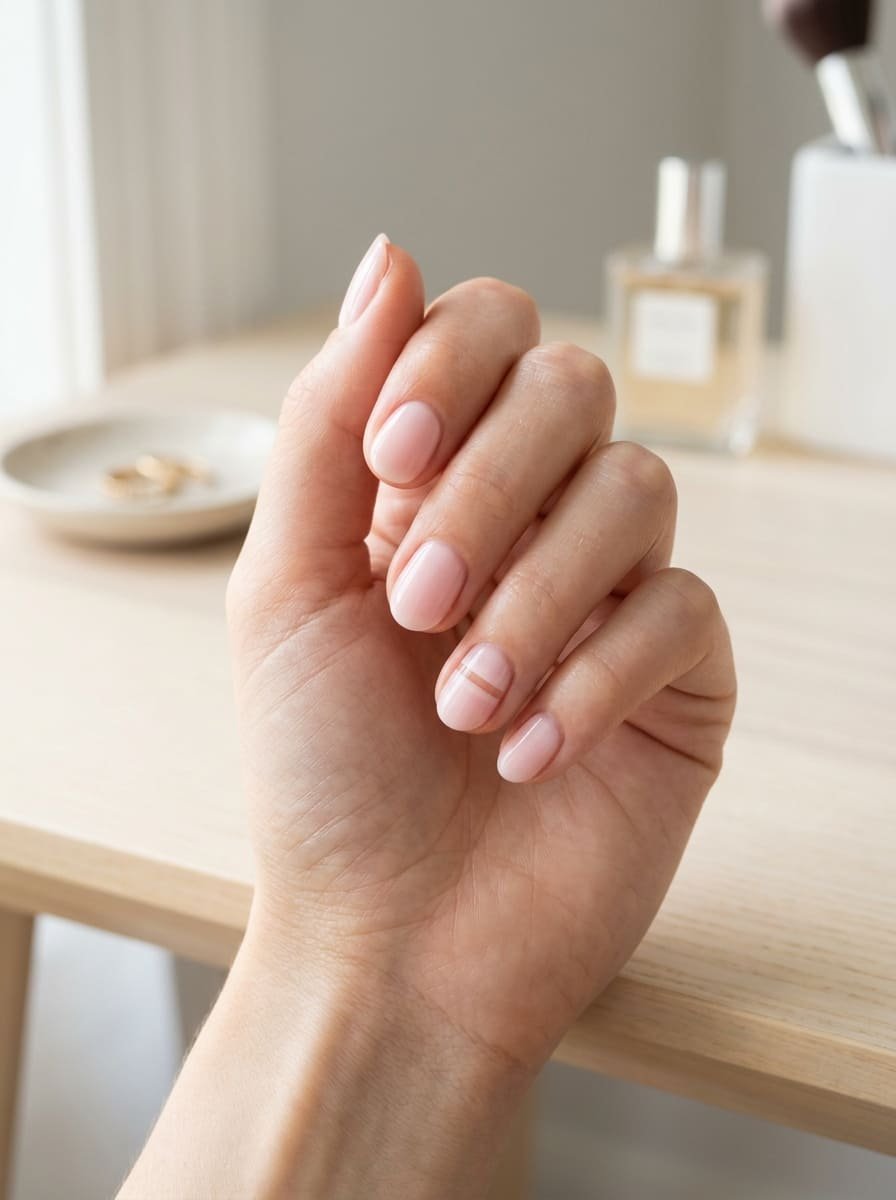
On one nail — typically the ring finger — a thin unpainted line or small cutout shape adds personality without breaking any length or safety rules. Keep the design confined to that single accent nail so the rest stay a simple, uniform nude or pale pink.
This works well for nurses who want a little creative outlet on days off before returning to plain color for work. A thin striping brush and steady hand are all you need; no nail art experience required.
7. Classic Short Red, Rounded Edge
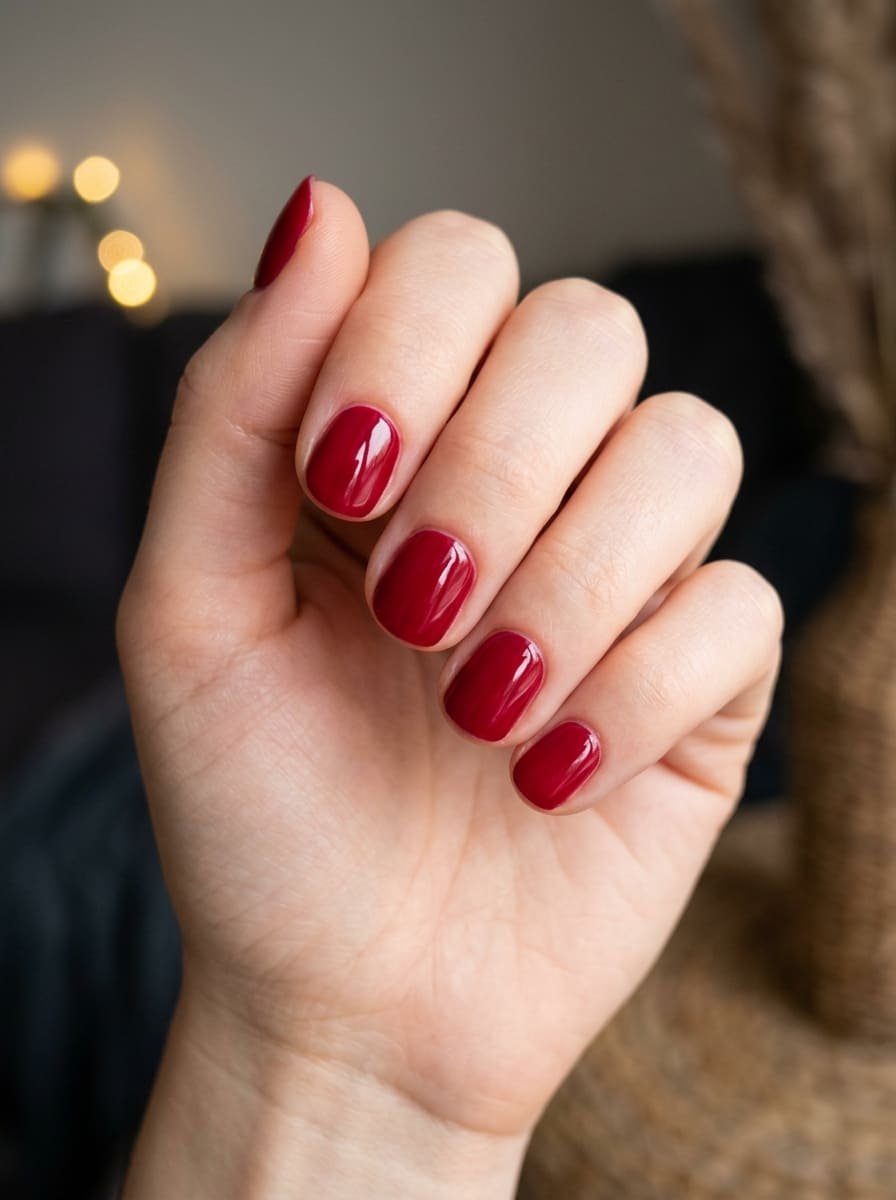
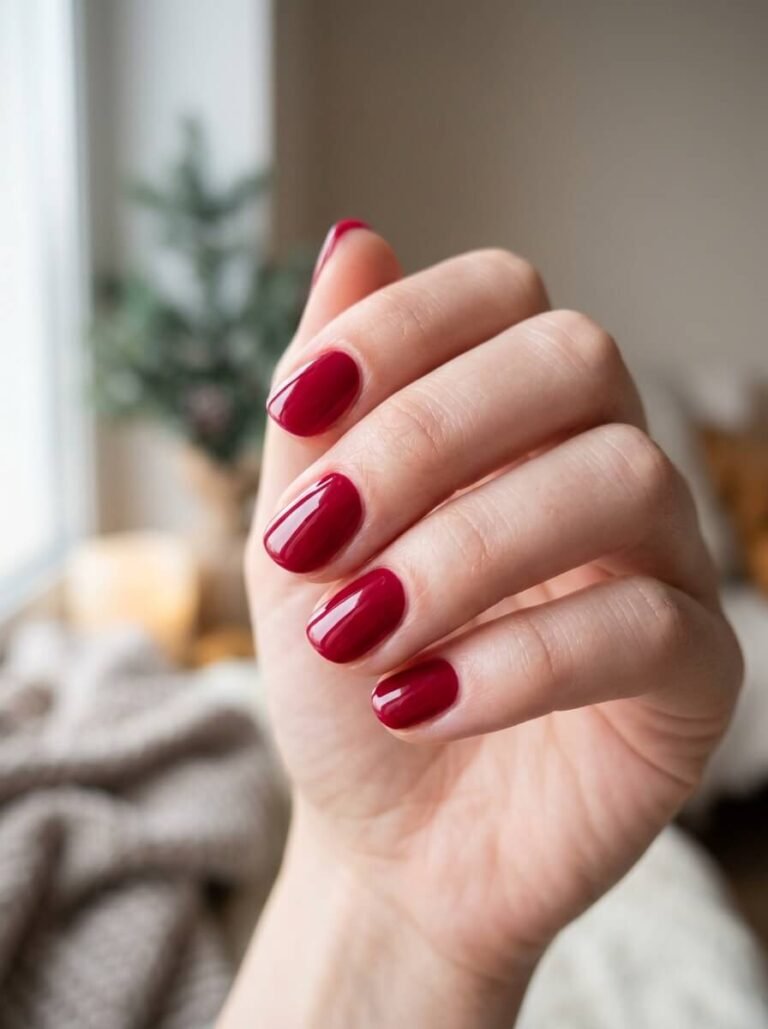
A true red on a short, rounded nail feels put-together for holiday shifts, hospital fundraisers, or a night out right after work. Choose a blue-based red like a classic “cherry” shade, since it tends to look less orange under fluorescent hospital lighting than warmer reds.
Keep the length trimmed just past the fingertip so it stays within most facility policies. This color hides staining from betadine or iodine better than pale shades do, which matters more than people expect.
8. Soft Lavender for Pediatric or Maternity Units
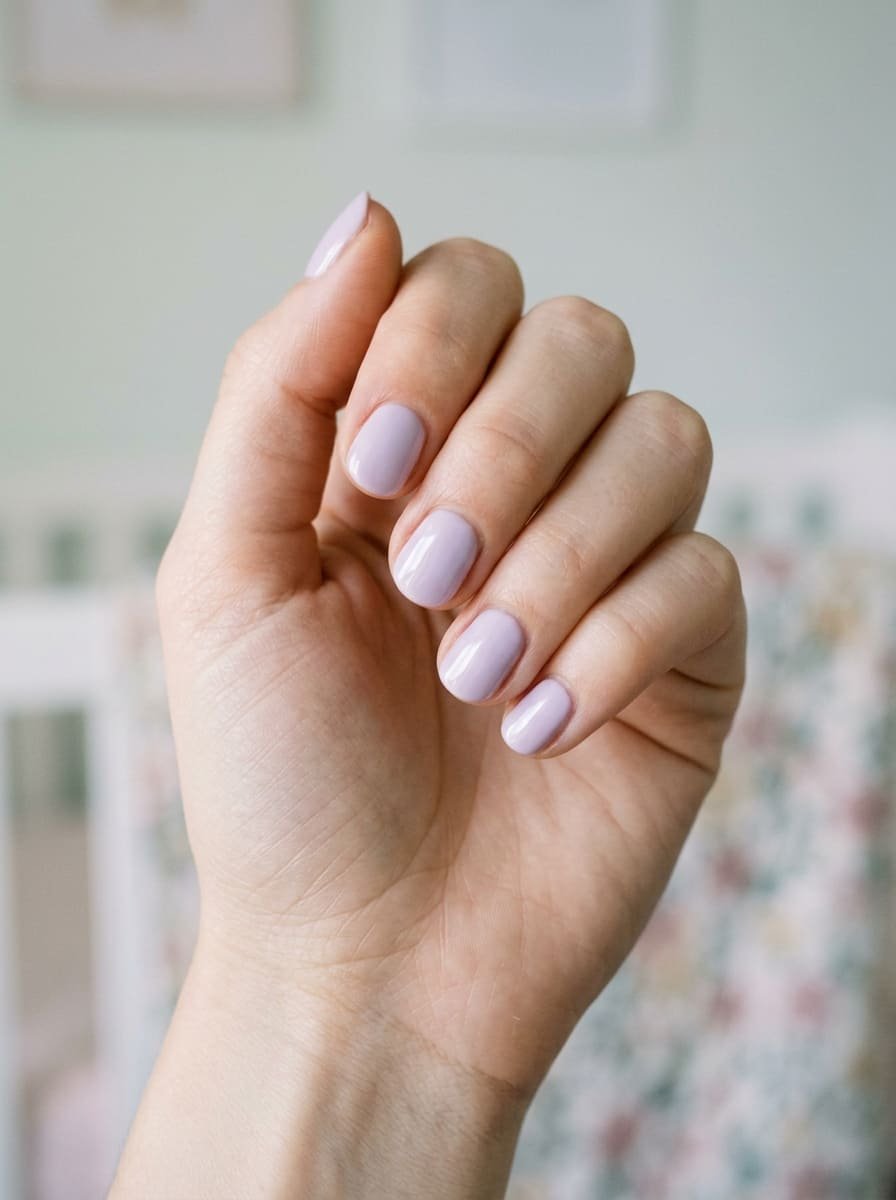
A muted lavender shade feels gentle and calming, which fits nurses working with children, new parents, or hospice patients where a softer visual presence matters. This color pairs naturally with printed scrub tops featuring florals or pastel patterns common on those units.
Choose a creamy, opaque lavender rather than a shimmery one so it stays professional rather than playful. It also transitions well from a day shift into an evening off without needing a change.
9. Warm Beige With Subtle Shimmer
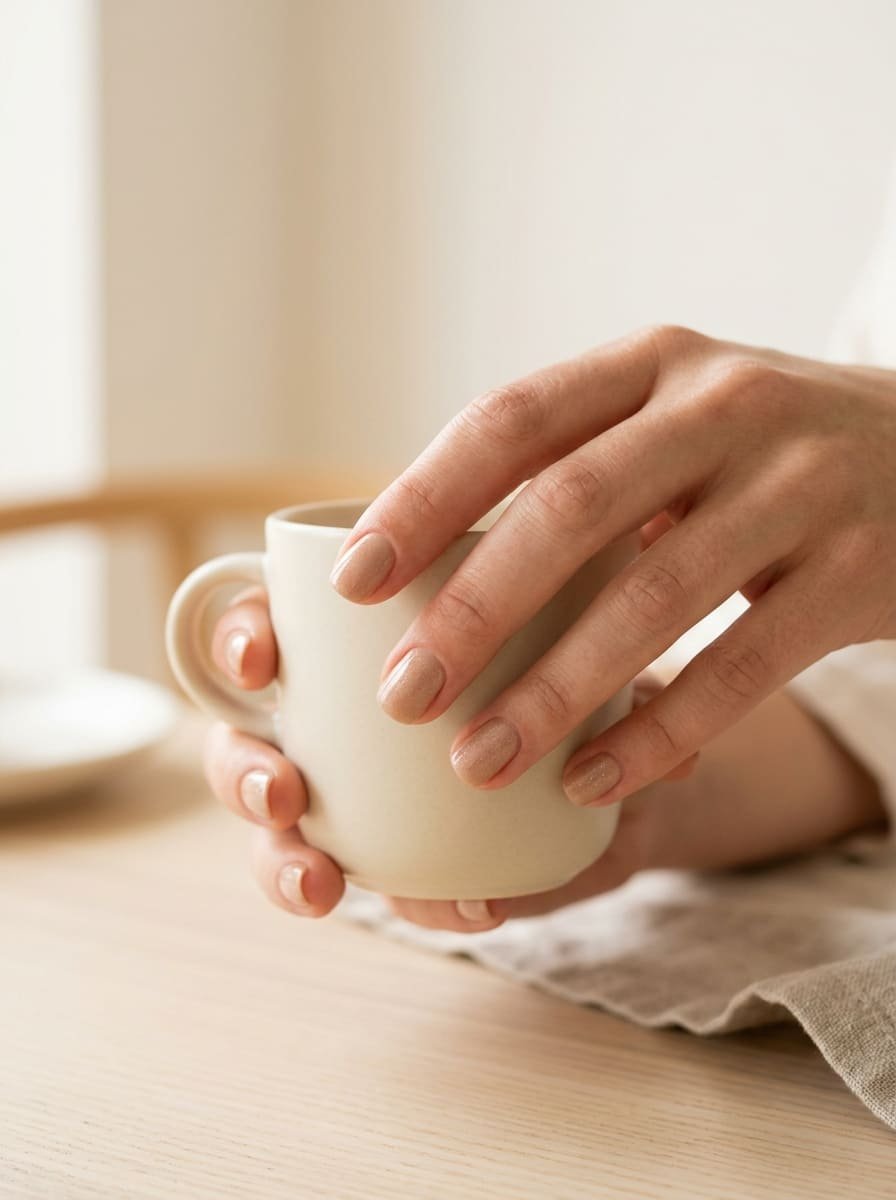
A beige polish with a fine, almost-invisible shimmer catches light just enough to look expensive without drawing attention in patient rooms. This is a strong option for charge nurses or those in leadership rounds who want their hands to look neat during presentations or documentation reviews.
The shimmer also does a good job of camouflaging minor tip wear between manicures. It reads warm on most skin tones, unlike stark gray-beiges that can look washed out.
10. Clear Glossy “Your Nails But Better”
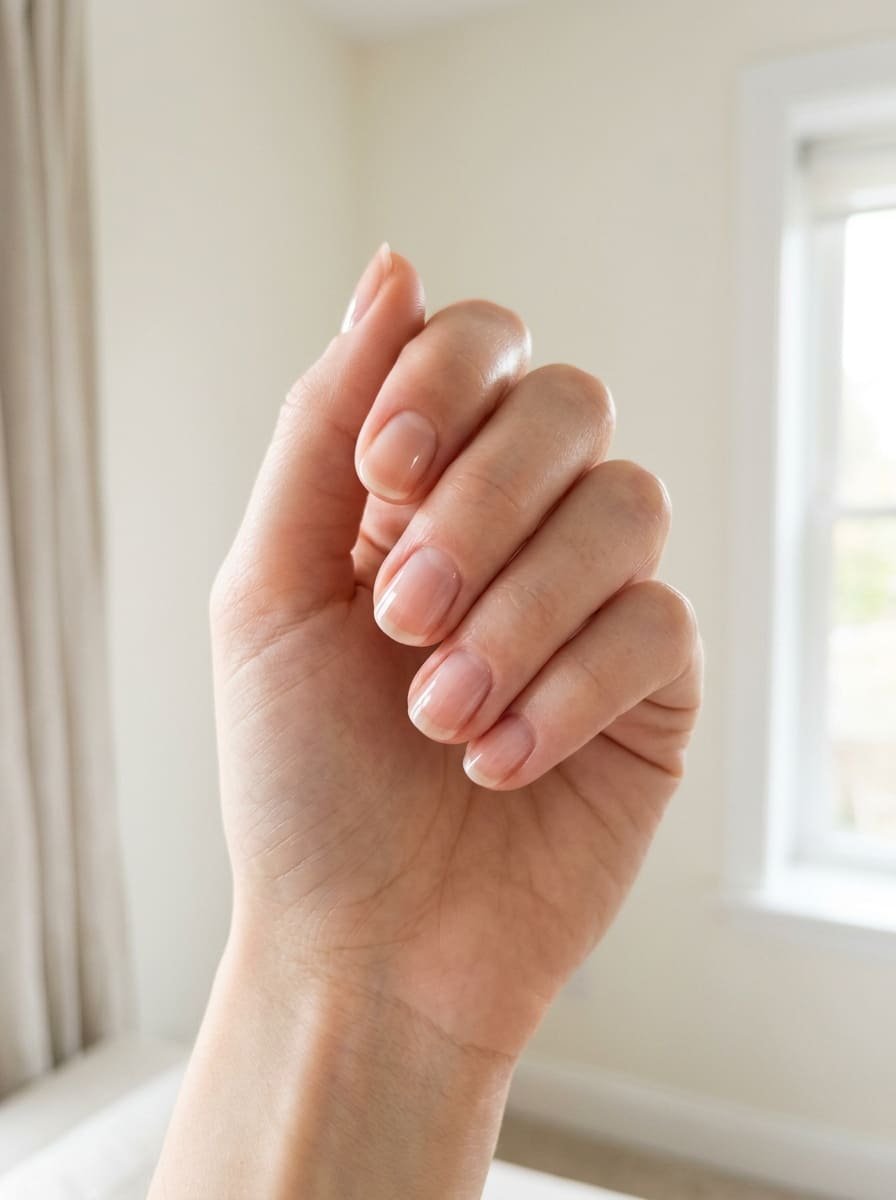
A clear gloss coat over natural, well-shaped nails is the lowest-maintenance option on this list and the easiest to keep compliant at any facility, including ones with strict no-polish rules for certain units like the OR.
It strengthens and protects the nail plate from the constant drying effects of alcohol-based sanitizer. This is the go-to for nurses who get frequent manicures but want a break between color appointments. It still looks finished, never bare or neglected.
11. Two-Tone Short Square Nails
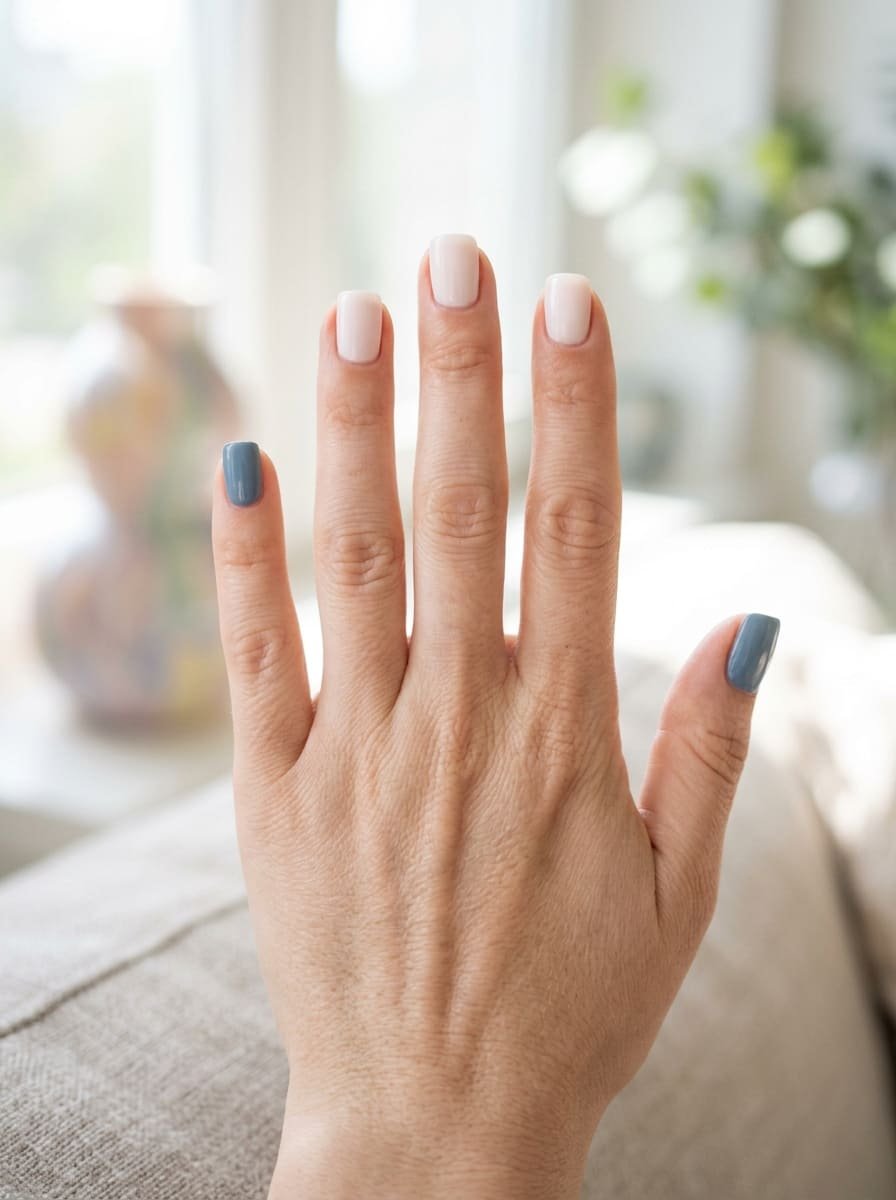
Pairing a soft white or nude on most nails with one contrasting color, like a muted sage or dusty blue, on the pinky and thumb adds visual interest without looking busy. Keep the shape short and squared-off with slightly rounded corners so it stays snag-free under gloves.
This style works well for nurses attending a coworker’s baby shower or a unit potluck where you want something a bit more done. Two colors also mean touch-ups are quicker since you’re only maintaining small sections.
12. Soft Gray-Taupe for a Modern Neutral
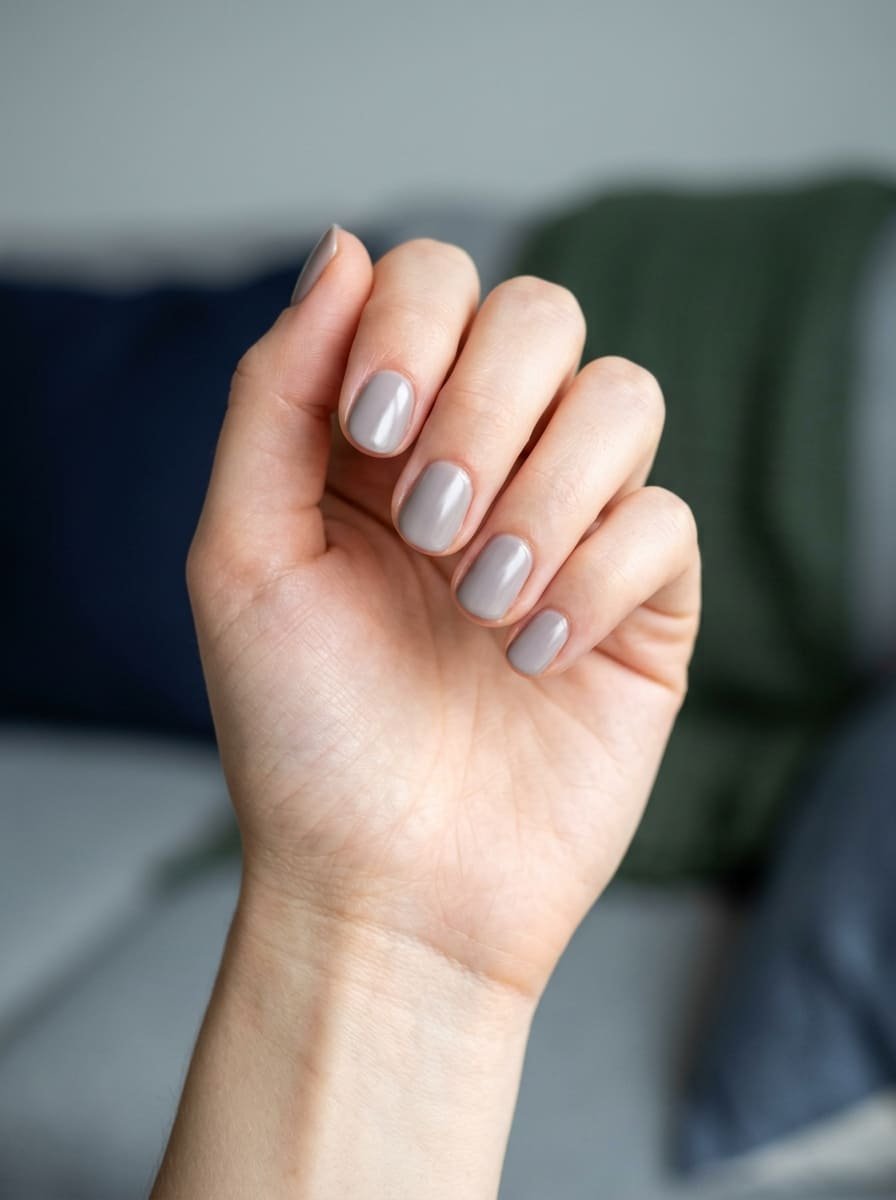
Gray-taupe shades have become popular because they sit between warm beige and cool gray, flattering nearly every skin tone under both daylight and hospital fluorescents. This color hides the slight yellowing that can happen from frequent hand sanitizer use better than pure white or icy shades do.
It pairs seamlessly with scrub colors like navy, maroon, or hunter green common in many hospital systems. A single coat of gel in this shade lasts through a full week of 12-hour shifts.
13. Soft Coral for Warm-Weather Shifts
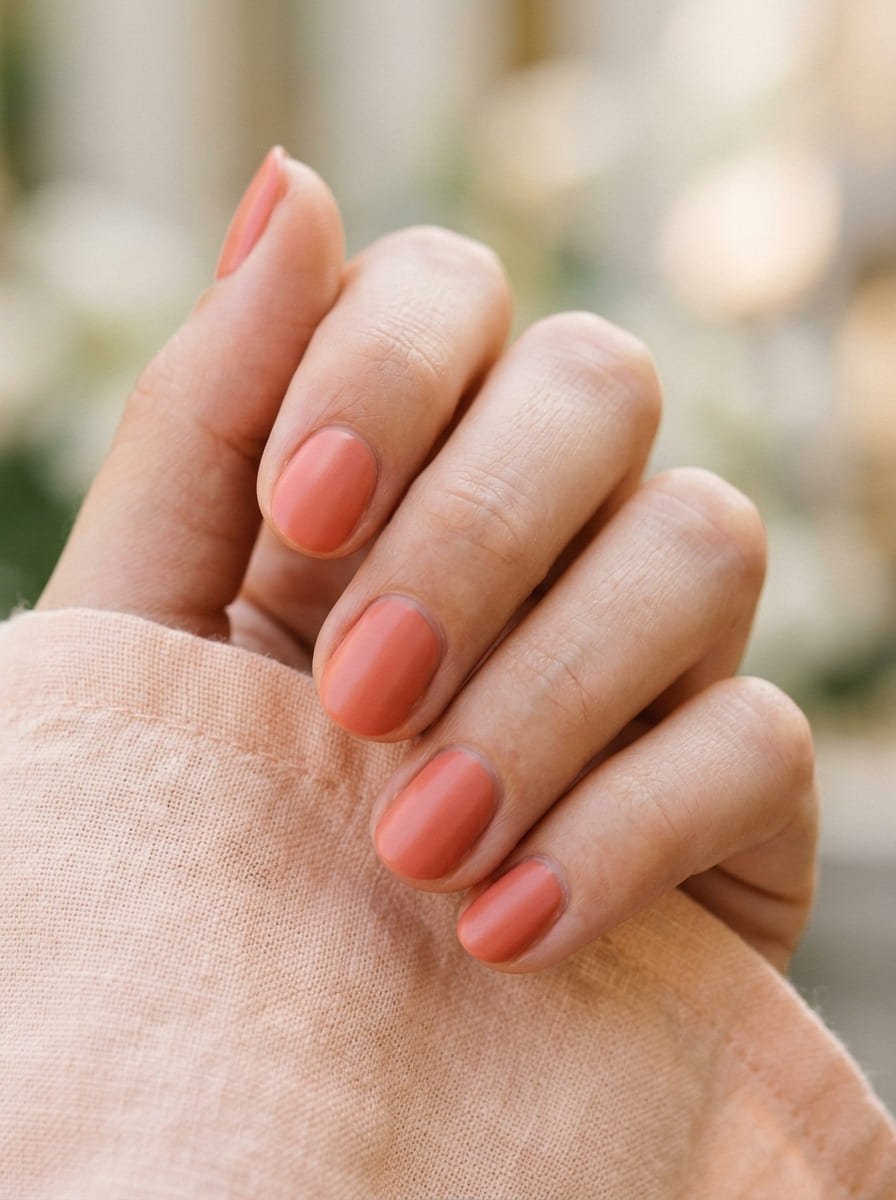
A muted coral, rather than a bright neon version, gives you a summery pop of color that still reads professional in a clinical setting. This shade works particularly well for outdoor-facing roles like home health or hospice nurses who spend part of their day outside patient homes.
Keep the finish semi-matte to avoid excessive shine that can look unprofessional in more conservative facilities. It’s a nice seasonal swap from your usual neutral rotation without going too bold.
14. Soft Blue-Gray for Night Shift Nurses
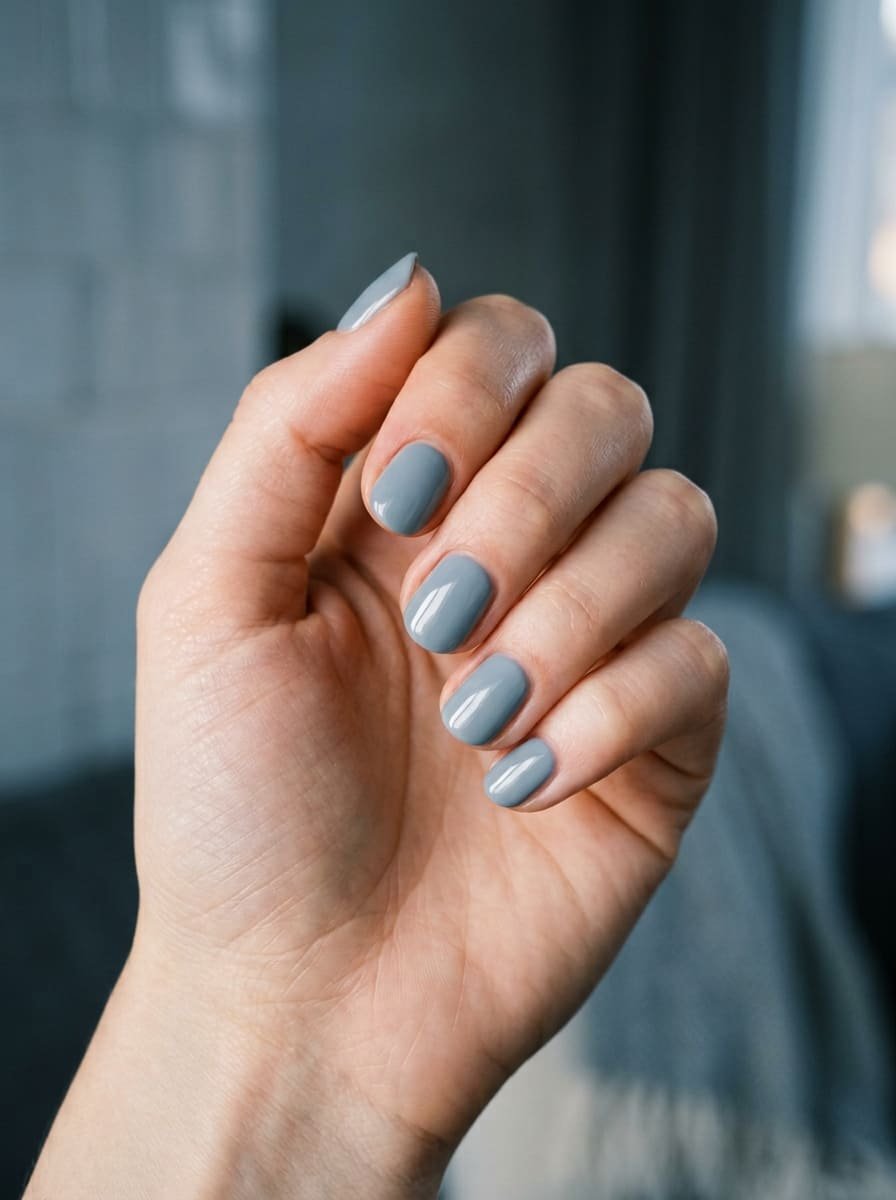
A dusty blue-gray polish looks sophisticated under harsh overhead lighting and doesn’t show the slight blue tint some nurses notice in their nail beds from long shifts on their feet.
This shade photographs well for staff badge photos and doesn’t clash with the darker scrub colors many night-shift units require. Choose a cream finish rather than shimmer so it reads calm rather than flashy at 3 a.m. It’s an easy shade to maintain since minor chips blend into the tone.
15. Classic Clean Oval With Cuticle Oil Focus
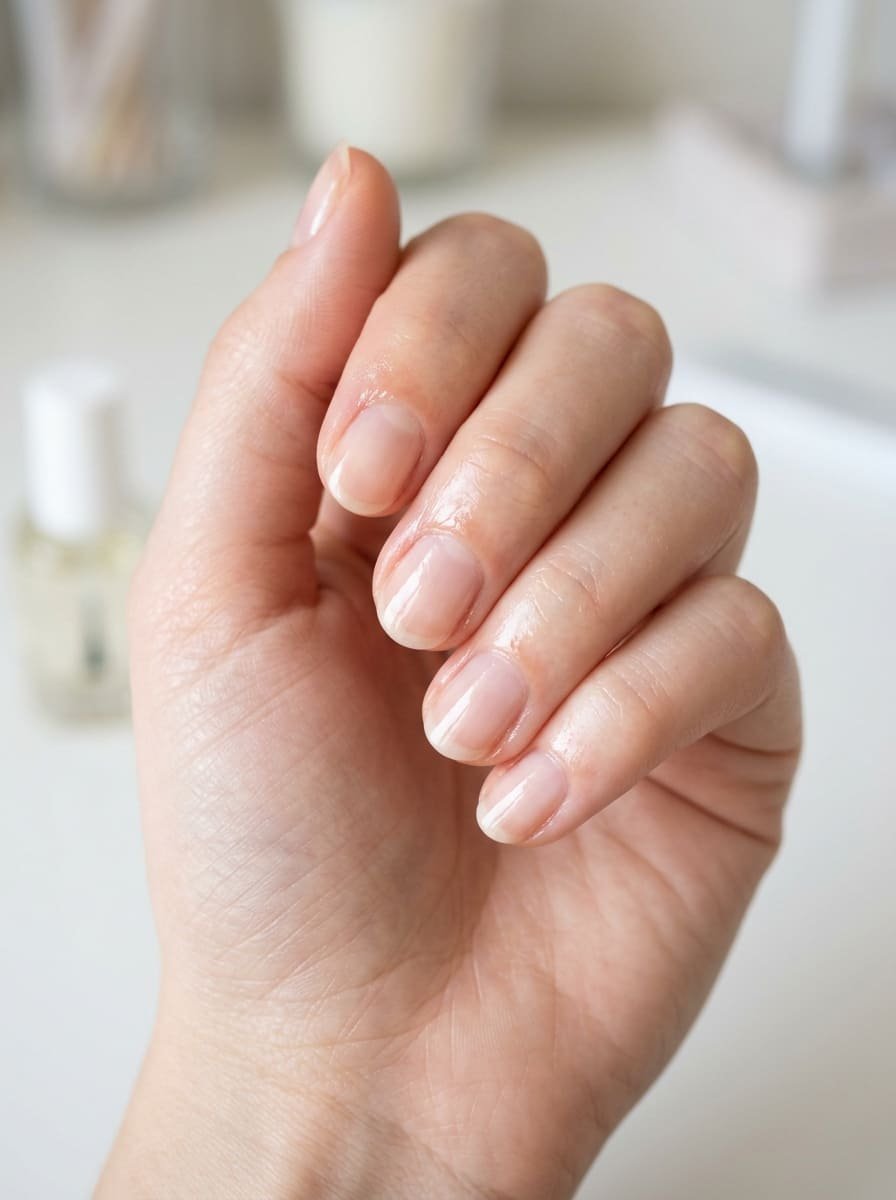
Sometimes the best “style” is simply a well-maintained short oval shape with healthy, hydrated cuticles, since constant hand-washing dries skin out faster than polish trends can keep up with. Apply cuticle oil nightly and buff nails to a natural shine instead of relying on polish that needs frequent touch-ups.
This low-effort approach is realistic for nurses working consecutive shifts with no time for salon visits. It also keeps nails genuinely healthy, which matters more long-term than any specific color choice.
Whatever unit you work on, the right short nail look comes down to picking a shape and finish that survives your actual shift, not just how it looks in a photo. Start with two or three of these that fit your facility’s policy and your schedule, and build your rotation from there.