Pilates Workout for Beginners: What I Wish Someone Had Told Me Before My First Class
I still remember rolling out my mat for the first time, convinced Pilates would be a gentle, almost lazy way to stretch. Twenty minutes in, my abs were shaking, my breathing was a mess, and I finally understood why dancers and physiotherapists swear by this method.
That confusion is exactly why I’m writing this guide the way I wish it had existed for me. Over months of consistent practice, trial, error, and a few sore mornings, I tested the exercises below on myself before ever recommending them to anyone else.
This isn’t recycled advice; it’s what actually worked, what didn’t, and what I’d tell a close friend starting out today.
What Pilates Actually Is (And Isn’t)
Pilates was developed by Joseph Pilates in the early 20th century as a system he called “Contrology” — a method built on controlled, precise movement rather than momentum or brute strength. It’s not yoga, though people often confuse the two.
Yoga tends to emphasize flexibility, stillness, and breathwork tied to holding poses. Pilates, on the other hand, is about controlled motion, core engagement, and building what practitioners call a “powerhouse” — the deep muscles of your abdomen, lower back, hips, and glutes.
When I started, I assumed it would feel like a slow-motion workout. Instead, I found it demanded more focus than most cardio sessions I’d done. Every movement has a purpose, and sloppy form doesn’t just look bad — it means you’re not getting the benefit at all.
Why I’d Recommend It to Any Beginner
A few things became obvious to me within the first two weeks:
- My posture improved without trying. Because Pilates trains the deep stabilizing muscles along your spine, I noticed myself standing straighter almost automatically.
- My lower back pain eased. I’d dealt with mild, nagging lower back tightness from sitting at a desk all day. Strengthening my core took pressure off my spine.
- It built body awareness. I became far more conscious of how I moved in everyday life — bending, lifting, even walking.
- It’s genuinely low-impact. No jumping, no jarring movements, which made it sustainable even on days I wasn’t feeling 100%.
None of this happened overnight. It took consistent practice, roughly three sessions a week for about a month, before I felt a real shift.
What You Actually Need to Start
One thing that surprised me: you don’t need much.
- A mat. A slightly thicker mat than a standard yoga mat helps cushion your spine during exercises where you’re lying down.
- Comfortable, fitted clothing. Loose clothes tend to bunch up and distract you, especially during rolling movements.
- Grip socks (optional but helpful). Pilates studios often use these because bare feet or regular socks can slip on the mat.
- A small space. About the size of a yoga mat with a little extra room to extend your arms and legs fully.
You don’t need a reformer machine (the spring-loaded equipment you see in studios) to get real results. Mat-based Pilates, done correctly, builds a strong foundation on its own.
The Core Principles I Had to Actually Learn
Joseph Pilates outlined six principles, and understanding them changed how I approached every exercise:
- Concentration — Every movement requires your full attention. This isn’t a workout you can zone out through.
- Control — Movements are deliberate, never rushed or thrown.
- Centering — Everything originates from your core, or “powerhouse.”
- Breath — Specific breathing patterns (often inhaling through the nose, exhaling through the mouth) are tied to each movement.
- Precision — Quality over quantity. Five precise reps beat twenty sloppy ones.
- Flow — Movements should connect smoothly into one another, not feel choppy.
I’ll be honest: breathing correctly while engaging my core felt nearly impossible at first. It took weeks before it stopped feeling like patting my head and rubbing my stomach at the same time.
Beginner-Friendly Exercises I Tested Myself
These are the exercises I started with, and still return to as fundamentals.
1. The Hundred
The hundred is a classic Pilates mat exercise. If “the real” Hundred is too challenging for you try this Hundred Modification for beginners.
Keep your legs in tabletop position, try extending one leg at the time to increase the intensity.
Take five short breaths in and five short breaths out (like sniffing in and puffing out).
While doing so, move your arms in a controlled up and down manner—a small but dynamic pumping of the arms. Be sure to keep your shoulders and neck relaxed. It is the abdominal muscles that should be doing all the work.
Do a cycle of 10 full breaths. Each cycle is five short in-breaths and then five short out-breaths
What I noticed: My abs burned faster here than in most crunch variations I’d tried before.
2. The Roll-Up
Lie flat, arms extended overhead. Slowly roll your spine up off the mat, one vertebra at a time, reaching toward your toes, then reverse the motion back down.
What I noticed: This took the longest to get right. Early on, I “cheated” by using momentum instead of rolling slowly — the difference in effort when done correctly was significant.
3. Single-Leg Circles
Lying on your back, extend one leg toward the ceiling and draw small circles with it while keeping your hips still.
What I noticed: Keeping my hips from rocking was harder than the leg movement itself — that’s the core control at work.
4. Plank (Pilates Style)
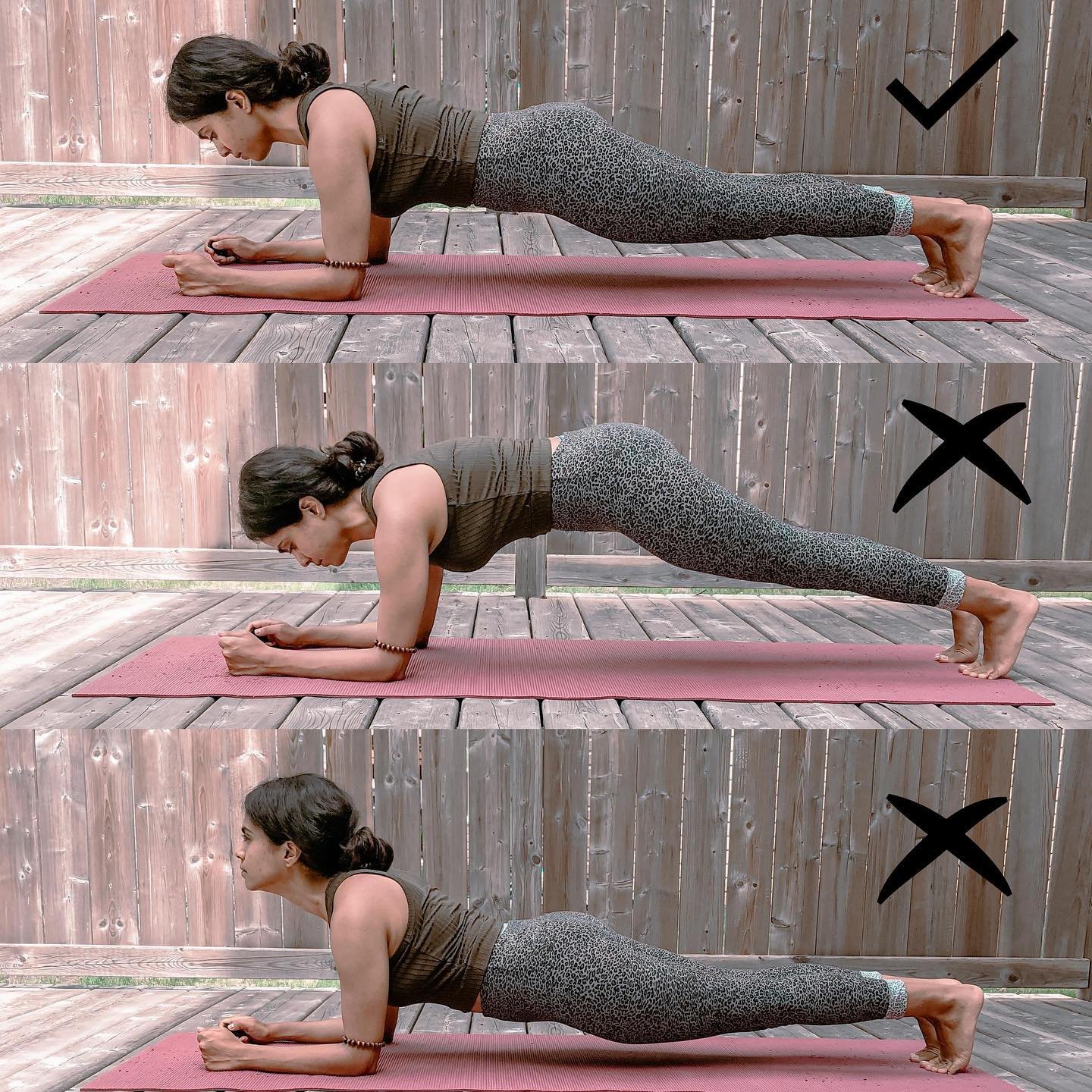
A standard forearm or full plank, but with intense focus on pulling the belly button toward the spine and keeping the whole body in one straight line.
What I noticed: Pilates planks felt shorter in duration but more demanding because of the strict form requirements.
5. Spine Stretch Forward
Sit tall with legs extended, slightly wider than hip-width, arms reaching forward. Exhale and round your spine forward, reaching toward your toes, then roll back up to sitting.
What I noticed: Great for undoing the tightness from a day of sitting.
6. The Saw
Sit with legs extended wide, arms out to the sides. Rotate your torso and reach one hand toward the opposite foot, as if sawing off your little toe, then return to center.
What I noticed: This one combines rotation and stretch in a way that made my obliques sore the next day, every time.
A Simple Beginner Routine to Try
Here’s a sequence I’d genuinely recommend starting with, three times a week:
- Warm-up: 2–3 minutes of gentle spine rolls and shoulder circles
- The Hundred — 1 set
- Roll-Up — 5–8 reps
- Single-Leg Circles — 5 circles each direction, per leg
- Plank — hold for 20–30 seconds, 2–3 rounds
- Spine Stretch Forward — 5 reps
- The Saw — 5 reps per side
- Cool-down: seated forward fold, breathing deeply for 1–2 minutes
The full routine takes roughly 20–25 minutes, which made it easy to stay consistent even on busy days.
Mistakes I Made So You Don’t Have To
- Holding my breath during hard moves. This is common and counterproductive — it actually reduces core engagement.
- Rushing through reps. Faster isn’t better in Pilates. I got far more out of five slow, controlled reps than fifteen fast ones.
- Skipping warm-ups. My lower back felt noticeably worse on days I jumped straight into exercises cold.
- Comparing myself to advanced practitioners. Reformer-based advanced Pilates looks nothing like beginner mat work, and that comparison early on was discouraging for no good reason.
Final Thoughts
Pilates rewarded patience in a way few workouts have for me personally. The changes weren’t dramatic in week one, but by week four, my posture, core strength, and body awareness had shifted in ways I noticed in everyday movement, not just during workouts.
If you’re starting out, go slow, focus on form over speed, and give it at least a month of consistency before deciding whether it’s for you. That’s the only honest timeline I can offer, because it’s the one that worked for me.